Type: Full body · Difficulty: Beginner
Muscles worked: shoulders, thighs, glutes and calves, with your heart and breathing working at the same time.
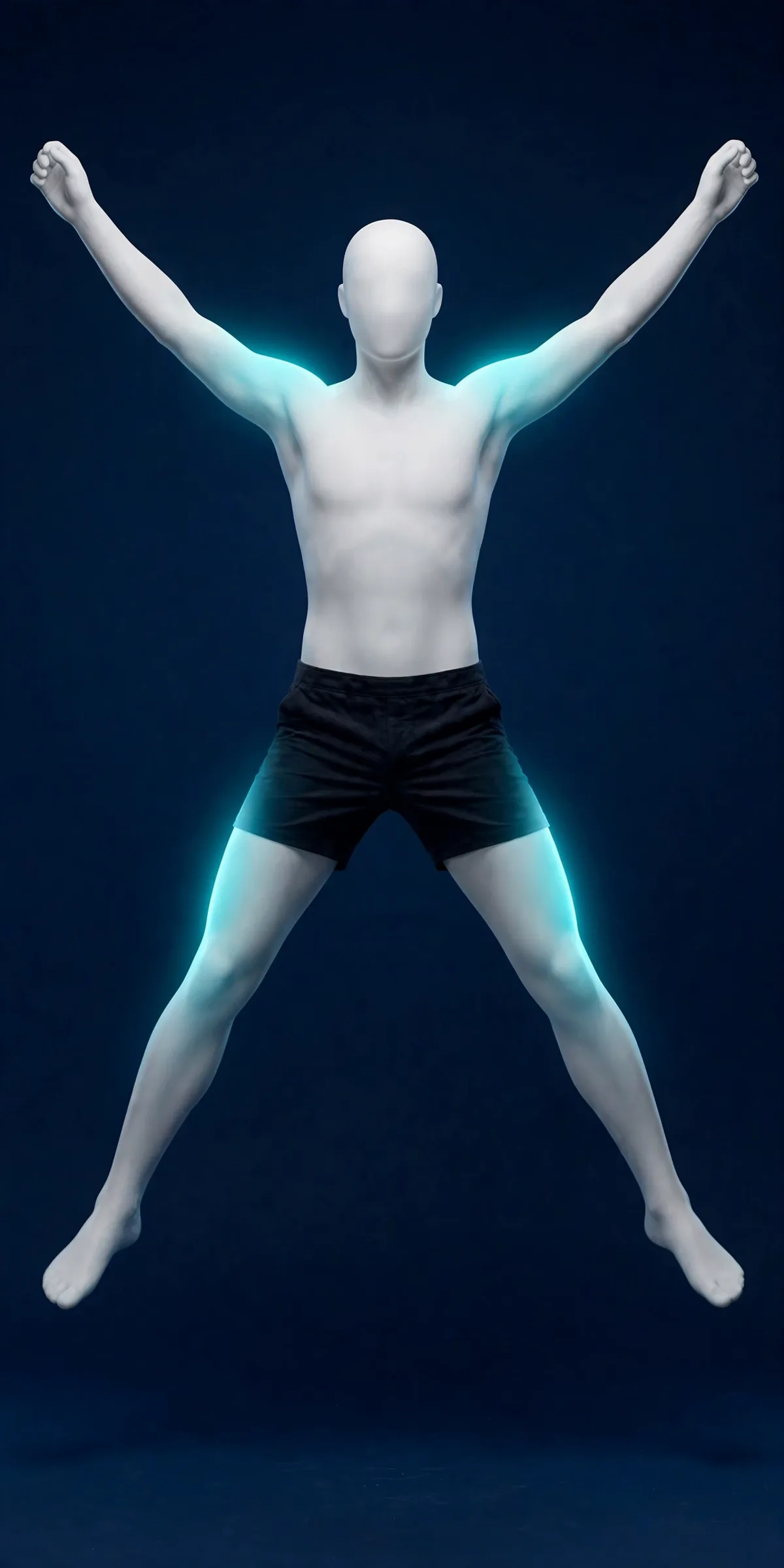
Standing, you jump your feet apart while your arms rise above your head, then you return to the start position. It is the simplest exercise for raising your heart rate: no equipment, very little space, and a no-jump version for the days when your joints ask for calm.
The position


The steps
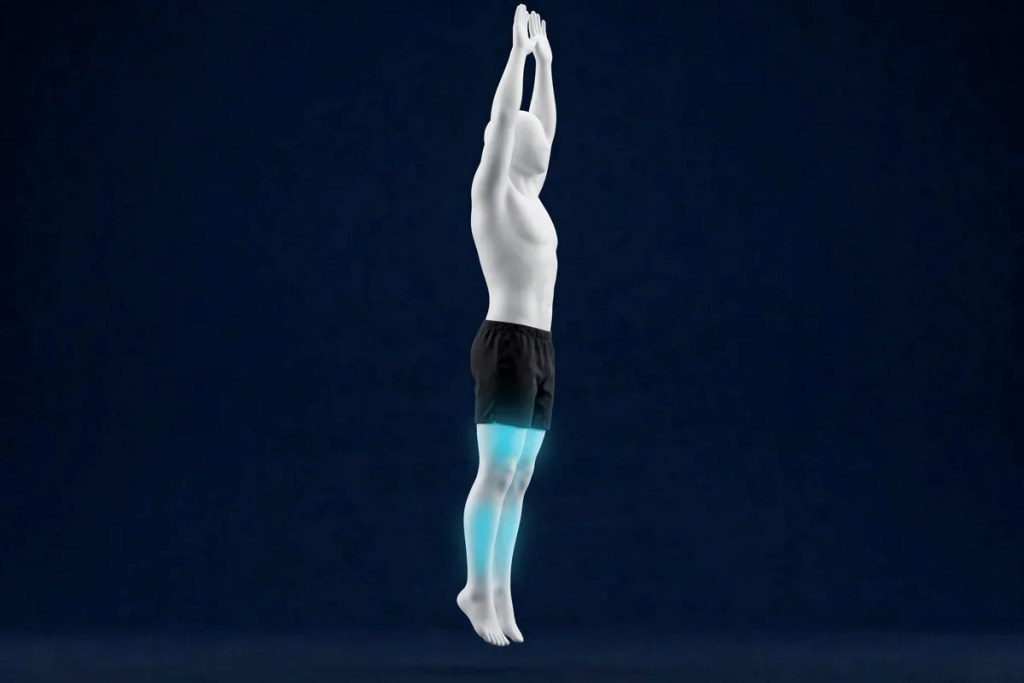
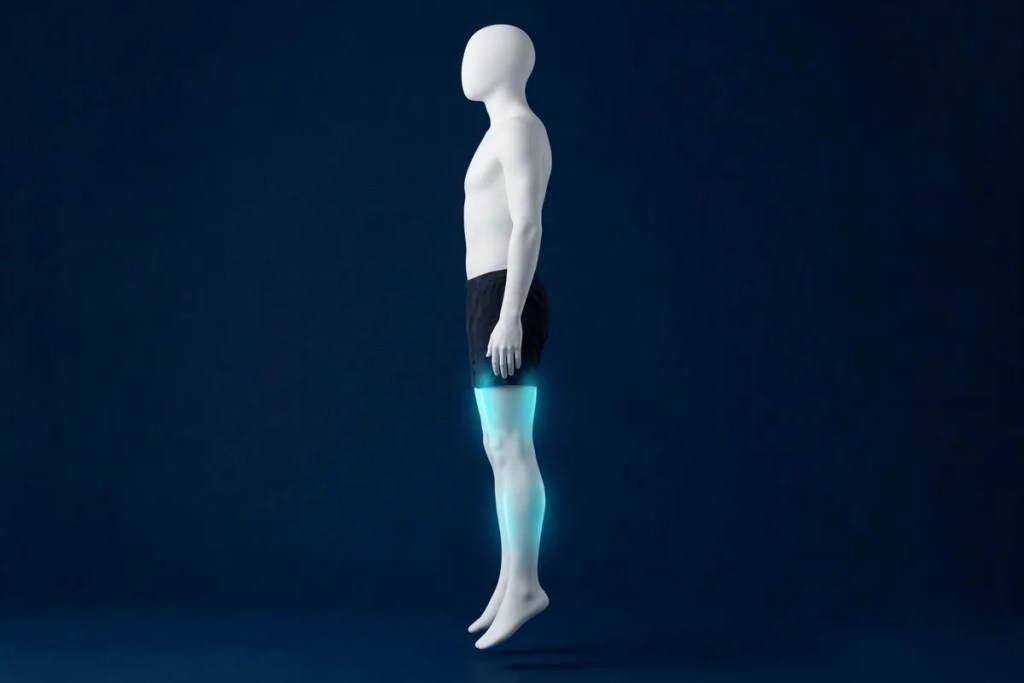
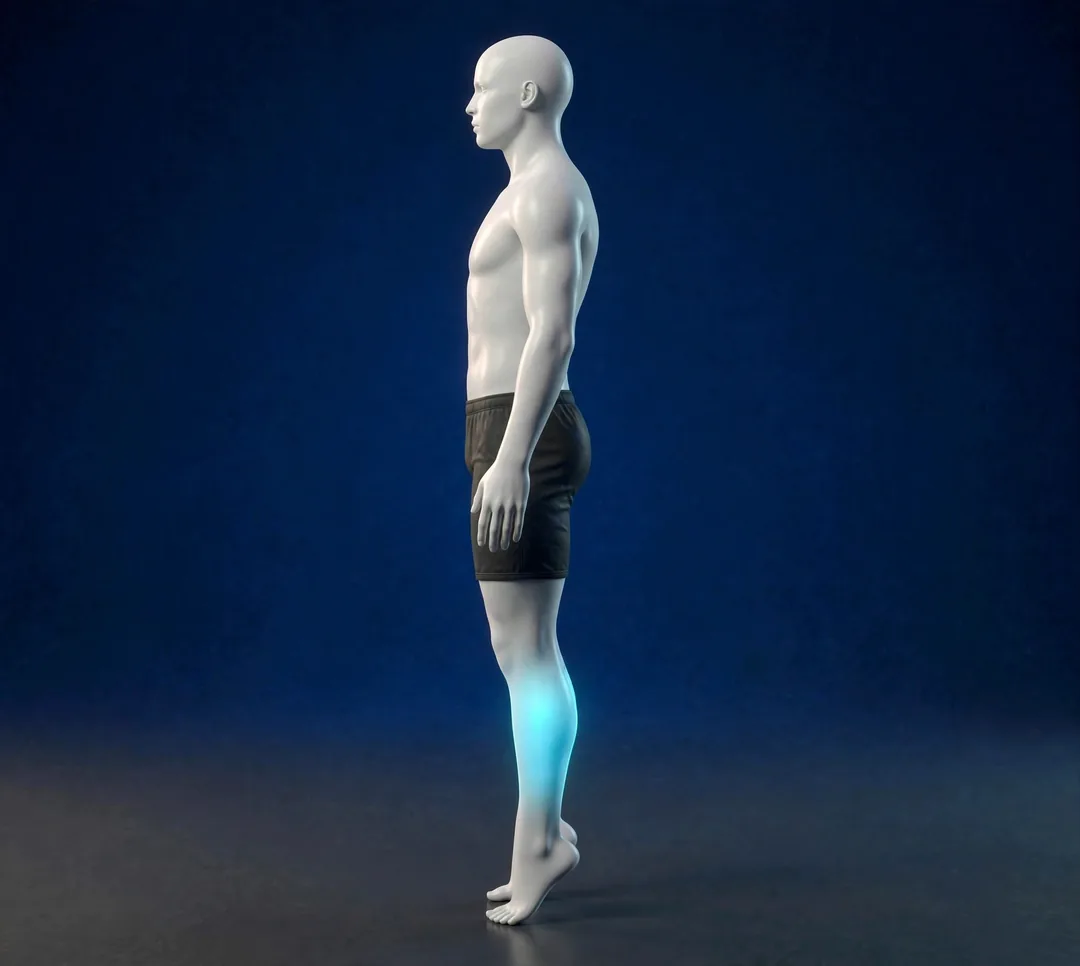
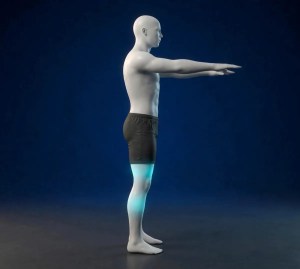
- Stand with your feet together, arms at your sides, back straight and eyes ahead of you.
- Jump lightly, moving your legs apart a little wider than your shoulders, while your arms rise at the sides up above your head.
- Land on the balls of your feet, knees soft, never locked.
- Jump again to return to the start position, feet together and arms at your sides.
- Keep going at the same pace from start to finish: steadiness is what raises your heart rate, not speed.
Why this exercise
- It works your heart and breathing without running and without leaving home. For someone short on time, a few dozen seconds are enough to change the pace of a session.
- It wakes up the whole body at once: the legs push, the shoulders rise, the calves absorb. It is a good first warm-up exercise before strength movements.
- The no-jump version keeps the same movement and the same heart work, more gently. The exercise therefore stays available on the days when your knees or ankles ask you to avoid impacts.
- It requires coordination: the arms and legs must move out and back together. That timing maintains agility, which matters as much as strength in everyday life.
Common mistakes
- Landing with locked knees and flat feet: the shock goes straight into your joints. Land on the balls of your feet, knees soft.
- Spreading your legs too wide: your knees and ankles take it badly. A step a little wider than your shoulders is enough.
- Raising your arms only halfway, or letting them drop before the end: your arms go all the way above your head on every repetition, or part of the work disappears.
- Slumping at the end of a set, back rounded and eyes on the floor: keep your back straight and your eyes ahead, even when your breathing gets short.
- Going faster and faster until the movement falls apart: if your landings become hard or noisy, slow down or switch to the no-jump version.
Adjust the difficulty
- Easier: the no-jump version. Step one foot out to the side while your arms rise, come back, then do the same on the other side, walking rather than jumping.
- Harder: keep going longer before taking a breather, or deepen the open position slightly by bending your knees a little more when you land, without ever letting them cave inward.
- The pace: 3 sets of 20 to 30 seconds, with 45 seconds of marching in place between sets. Lengthen the sets before you speed up.
In case of pain
Stop the exercise as soon as you feel pain. Muscle fatigue is normal, pain is not. If the pain comes back or persists, see a health professional.