
Type: Push · Difficulty: Intermediate
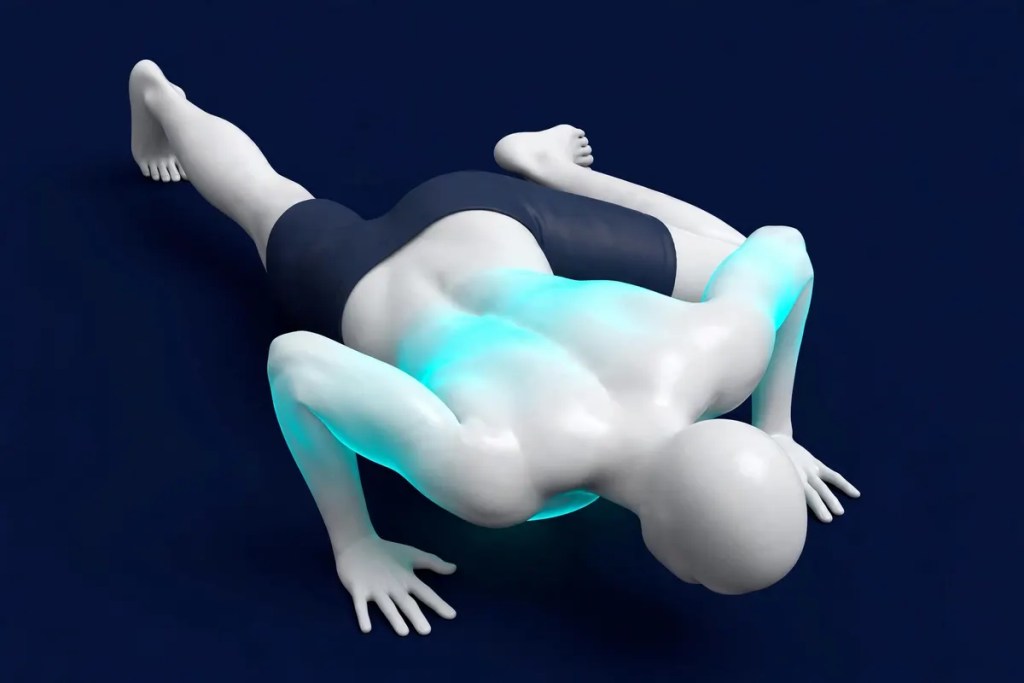
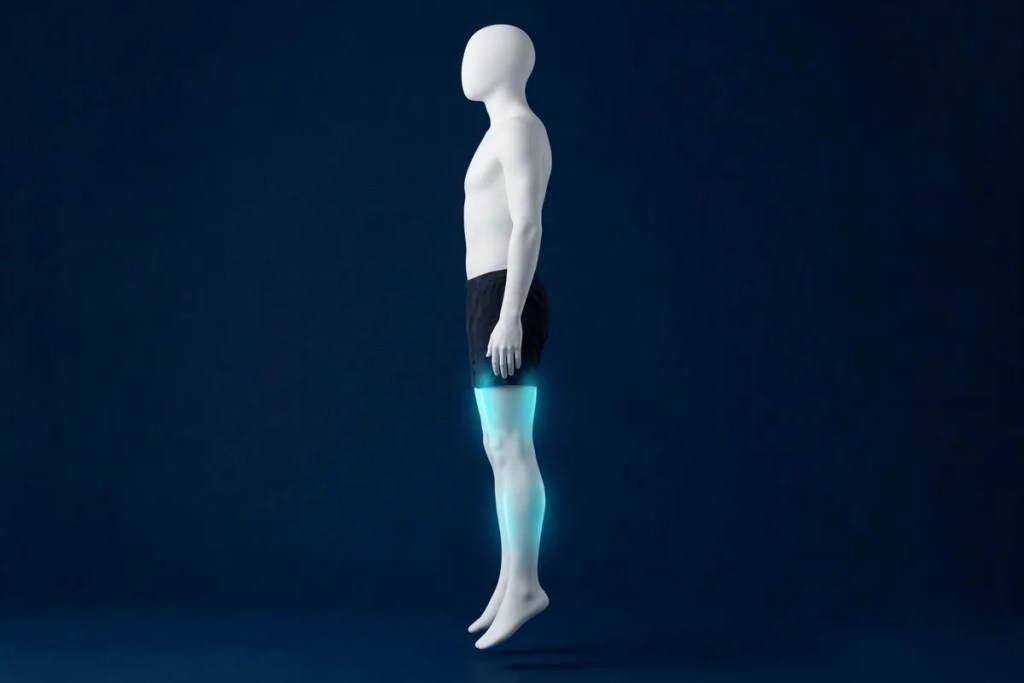
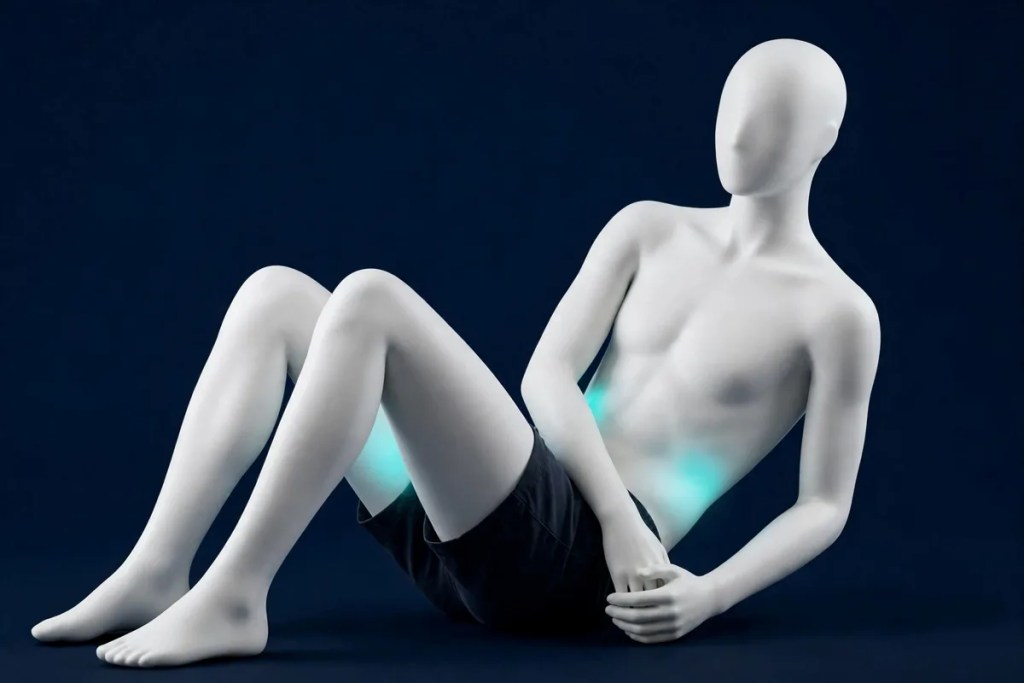
Muscles worked: chest, front of the shoulders and triceps, with the emphasis on the upper chest.
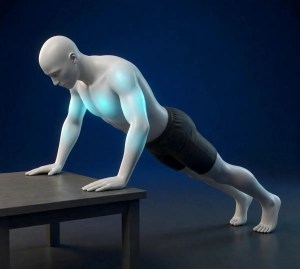
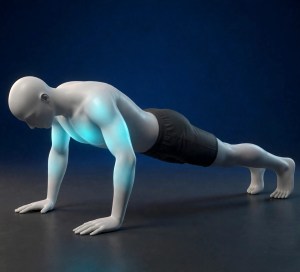
Feet up on a chair, hands on the floor: the push-up becomes an inclined plank, and the load shifts toward your upper body. Your shoulders and upper chest take a larger share of the work, with the same movement. It is one step above classic push-ups, and the stepping stone toward pike push-ups. One detail makes the exercise work: your body stays straight as a plank, never bent into a roof.
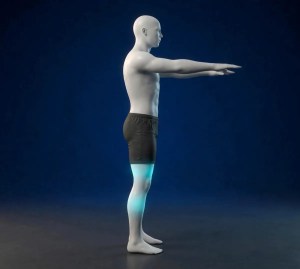
The position


The steps
- Place a stable chair behind you, against a wall if possible. Put your hands on the floor, under your shoulders, and climb your feet onto the chair, legs straight.
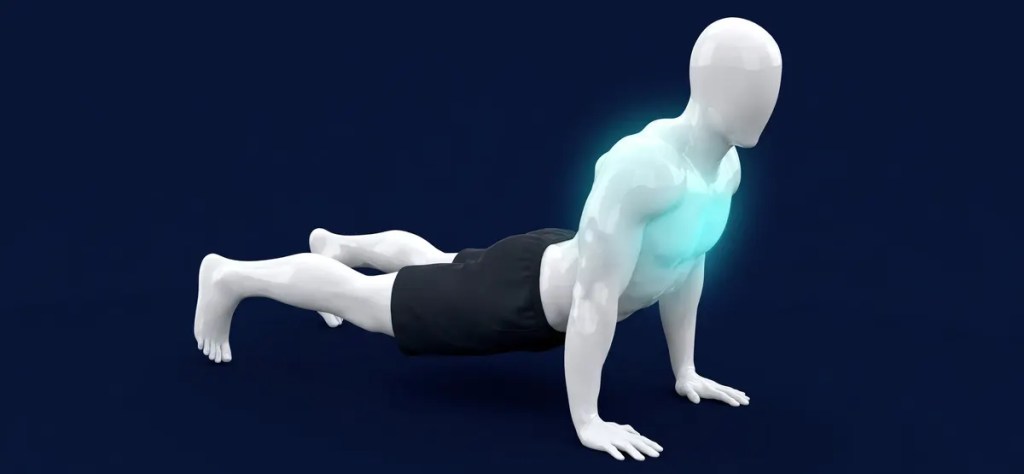
- Walk your hands back or forward until your body forms a straight line from heels to head, abs and glutes tight.
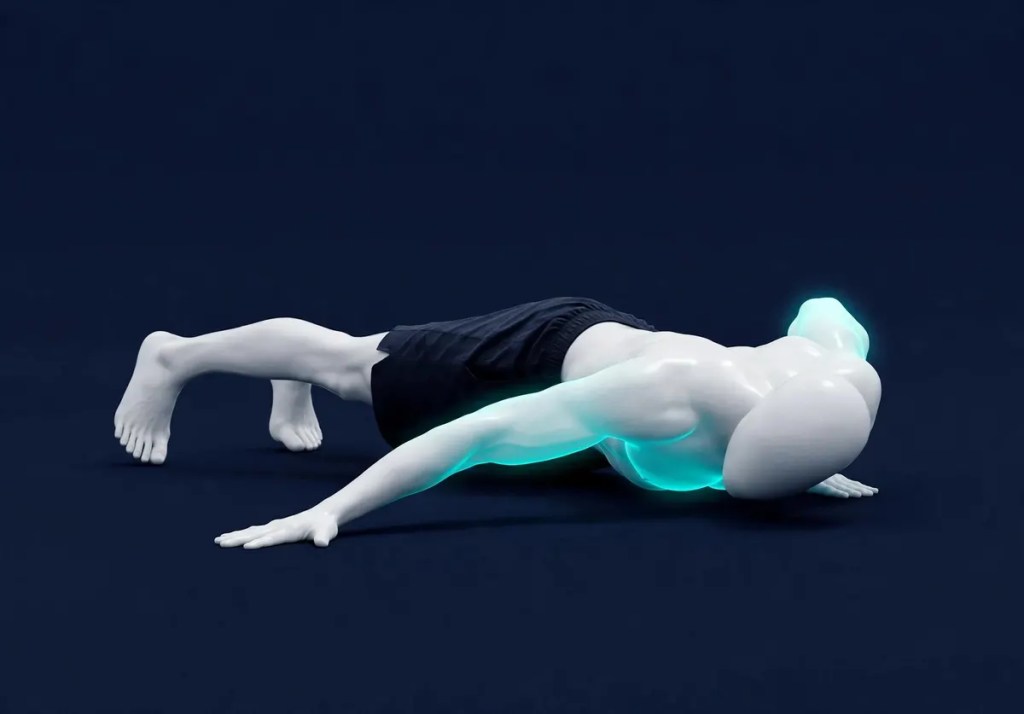
- Lower slowly by bending your elbows, kept at about 45 degrees from your body, until your chest comes close to the floor between your hands.
- Keep your head in line with your back, eyes toward the floor, without lifting your forehead.
- Push through your hands to come back up to straight arms, without letting your hips rise or sag.
Why this exercise
- It shifts the load toward your upper body: with your feet raised, your shoulders and upper chest take a larger share of your weight than in classic push-ups.
- It is the step between classic push-ups and pike push-ups: the same movement, one notch harder, with no new technique to learn.
- The height of the support becomes an adjustment: a low step to start, a standard chair next. A few centimeters change the difficulty.
- It targets the upper chest, the area a flat push-up reaches the least. The three angles (hands elevated, flat, feet elevated) cover the chest completely.
Common mistakes
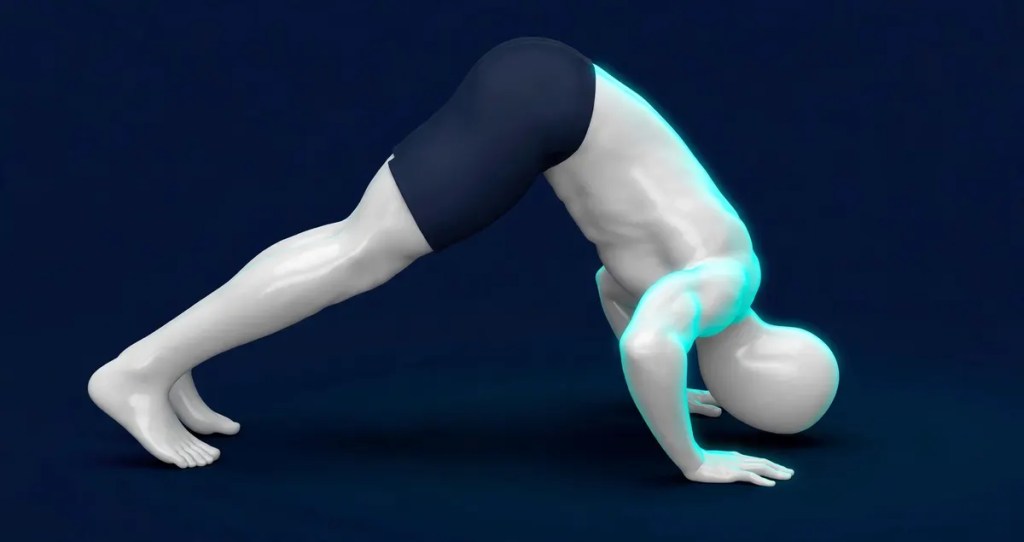
- Lifting your hips in the air, body peaked like a roof: it is the classic compensation when things get hard, and it removes exactly the load the exercise was meant to add. Your body stays an inclined plank.
- Letting your hips sag and your lower back arch: keep your abs and glutes tight from start to finish, as in every push-up.
- Using an unstable support: a chair that slides or tips mid-set means a fall. Chair against a wall, feet flat on it, and if it moves, stop and change the support.
- Lifting your head to look ahead: your neck tightens and your back line breaks. Your eyes stay toward the floor, head in line with your back.
- Lowering only halfway because it is hard: shortening the descent removes the point of the variation. A lower support and full repetitions are better.
Adjust the difficulty
- Easier: lower the height of the support (a step, a large stable book) or go back to classic push-ups on the floor. Raise the height only when the current version stays straight to the last repetition.
- Harder: use a higher support, lower over three seconds, or pause for one second at the bottom of each repetition, chest close to the floor.
- The pace: start with 3 sets of 8 to 12 clean repetitions, with ninety seconds of rest between sets; adjust the number to your level; end the set as soon as your hips peak into a roof or start to sag.
In case of pain
Stop the exercise as soon as you feel pain. Muscle fatigue is normal, pain is not. If the pain comes back or persists, see a health professional.