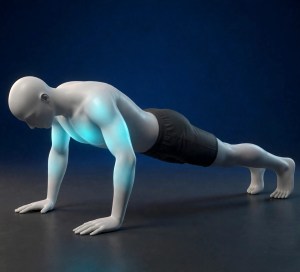
Type: Push · Difficulty: Advanced
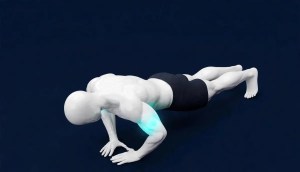
Muscles worked: shoulders and triceps, with the core and glutes braced the whole time to hold the body straight against the wall.
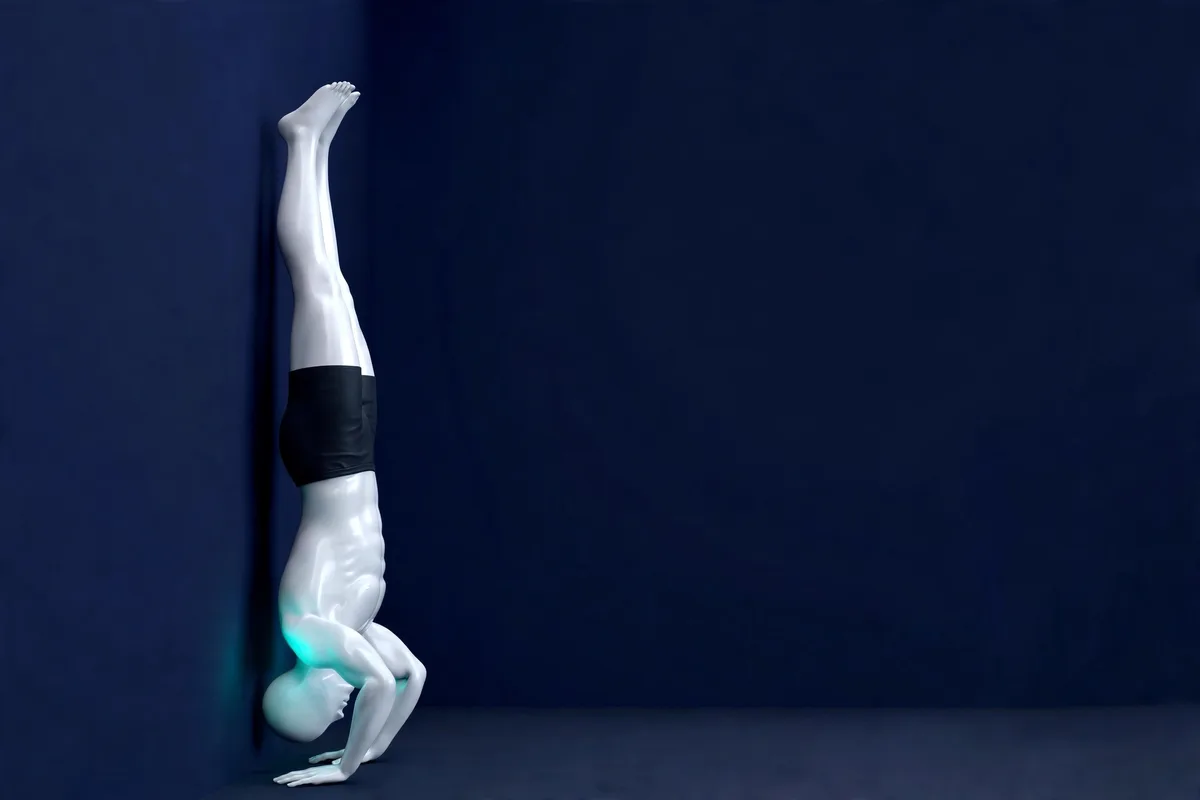
You turn upside down against a wall, hands on the floor and head down, then push your whole body weight vertically, like an upside-down press. The wall holds your balance, your shoulders do all the work: this is the vertical bodyweight push, with no machine at all.
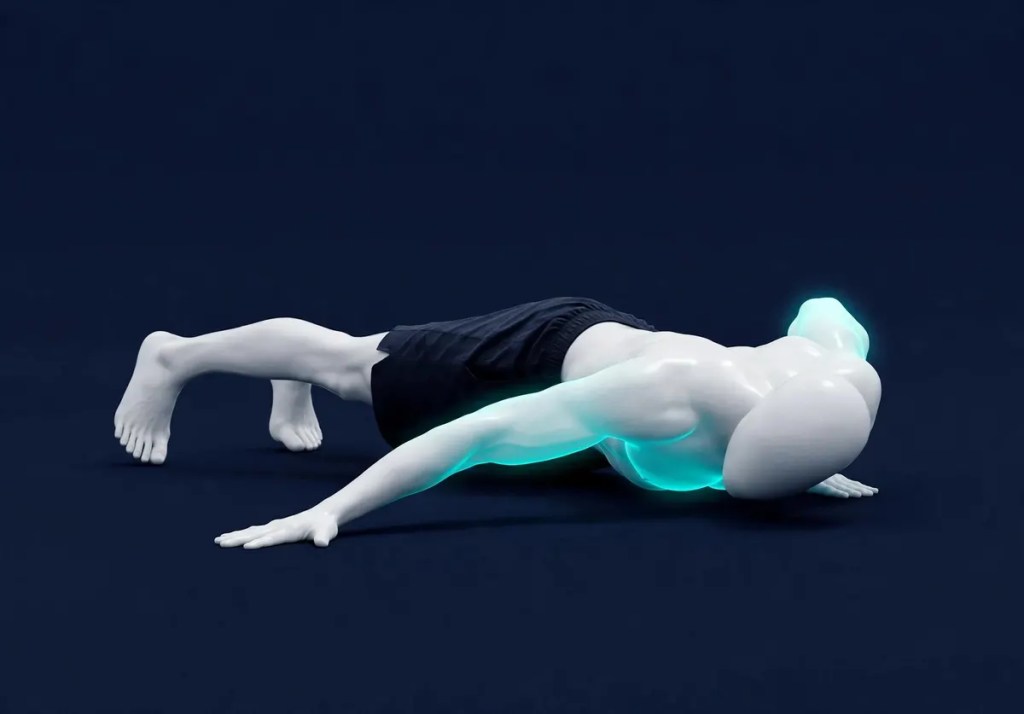
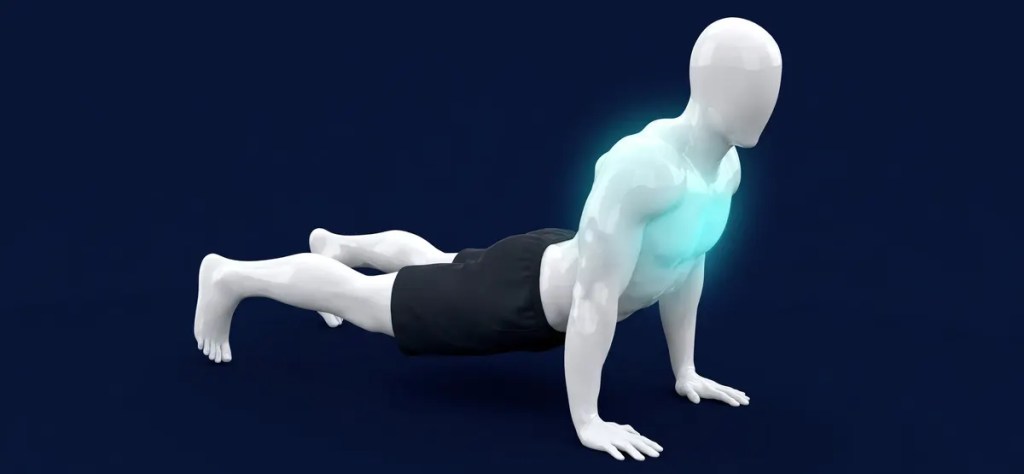
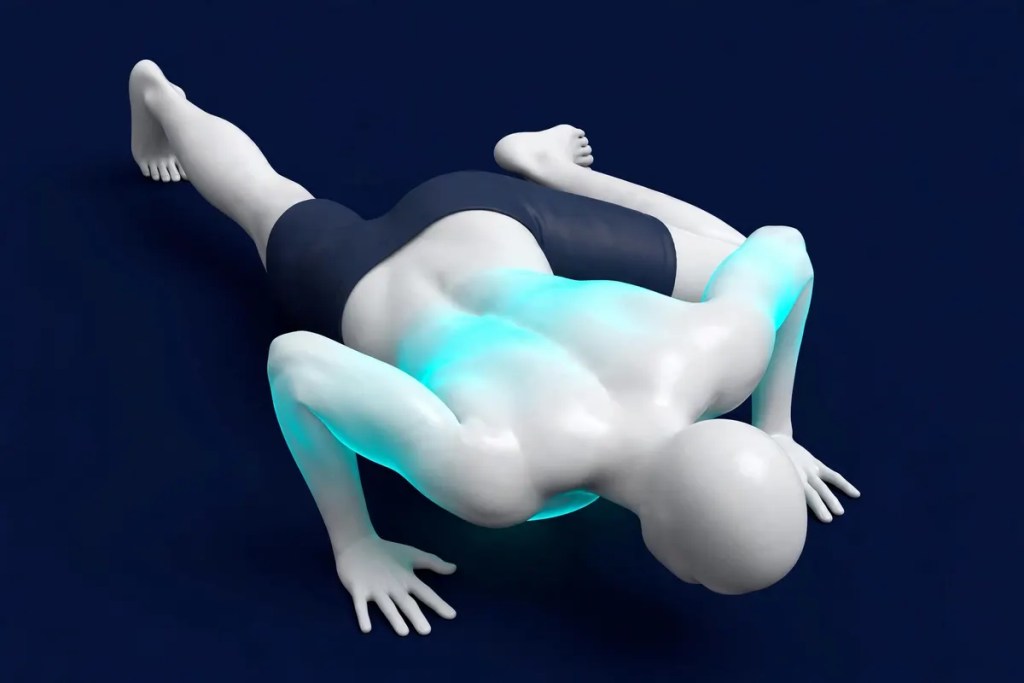
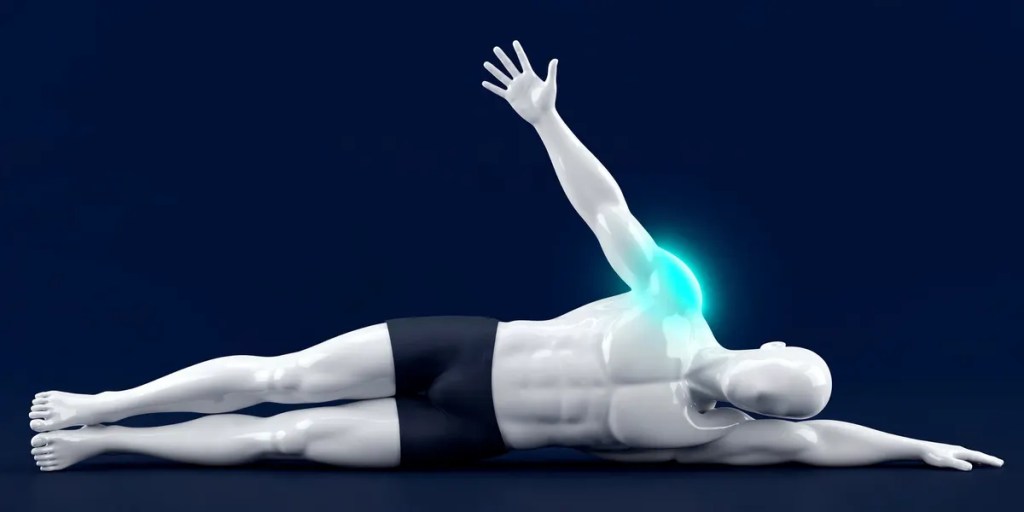
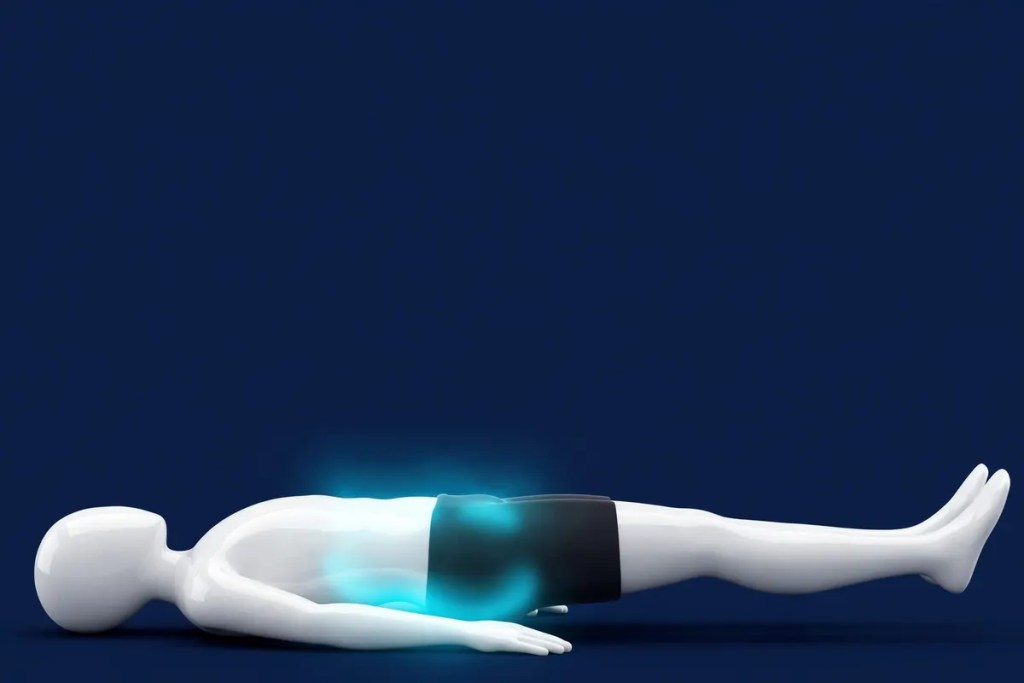
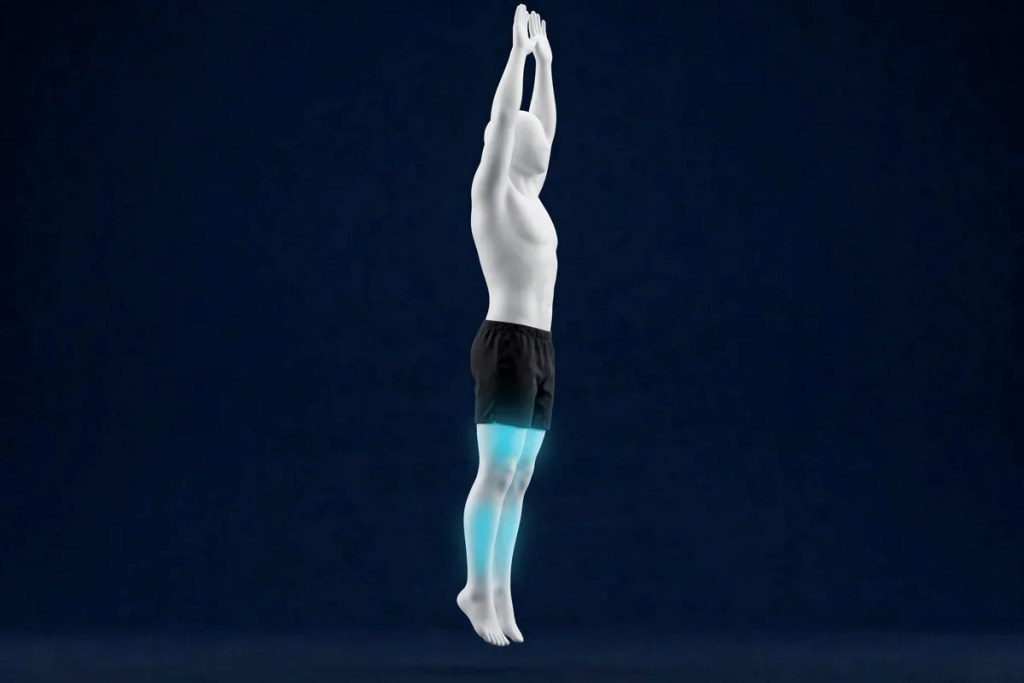
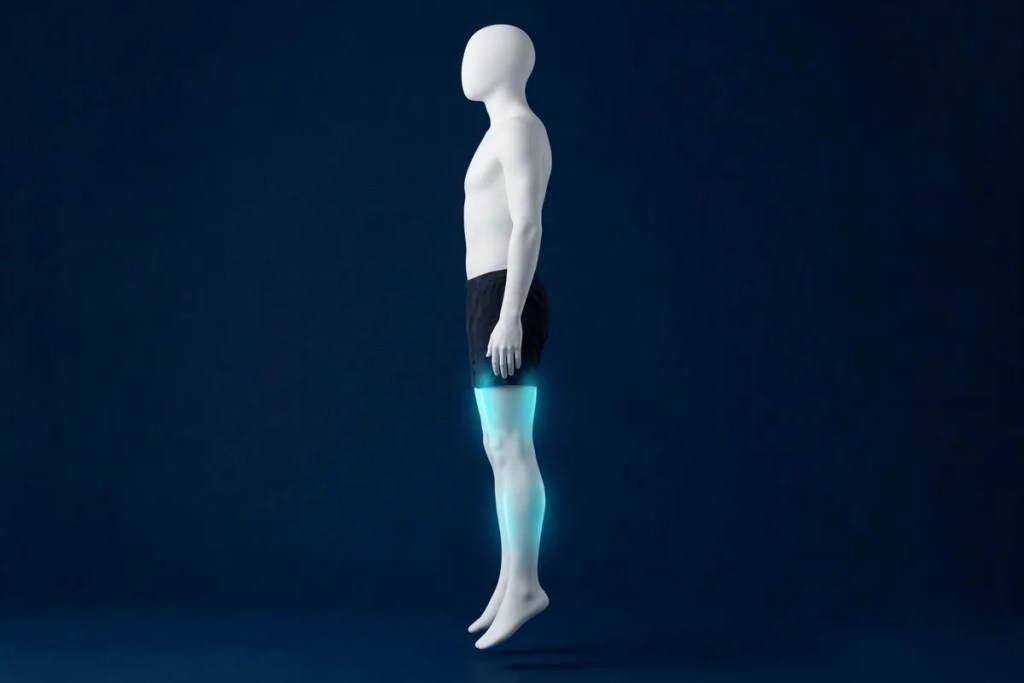
The position


The steps
- Place a mat at the foot of a clear wall, then put your hands on the floor about fifteen centimetres from the wall, shoulder-width apart, fingers spread wide.
- With your back toward the wall, kick one leg up to rise into a handstand until your heels touch the wall; straighten your arms and your body, squeeze your glutes and your abs.
- Bend your elbows slowly, keeping them along the line of your body, and lower your head toward the floor in full control.
- Lower until the top of your head comes close to the mat, never striking it, body still straight and heels in light contact with the wall.
- Push hard into the floor to straighten your arms without arching your back, then repeat; to come down, bring one foot to the floor, then the other, never by letting yourself fall.
Why this exercise
- Your hands carry almost your whole body weight: the push is vertical, above your head, where classic push-ups load your shoulders only in part.
- Your shoulders work at a new angle: triceps and shoulders push toward the top of your body rather than forward, which completes floor push-ups.
- The wall makes the exercise learnable: it holds your heels and your balance, so all your attention goes to the push and to your body alignment.
- Bracing holds everything: without your glutes and abs squeezed, your back arches, your heels crash into the wall and the push loses its line.
Common mistakes
- Arching your back to help the push: your body stays straight, only your heels touch the wall lightly. An arched back moves the load to your lower back and breaks the pushing line.
- Dropping your head in free fall: the descent is slow from start to finish. Your head approaches the mat, it never strikes it; a thick mat or a cushion under your head makes the first tries safer.
- Letting your elbows flare out to the sides: they point along the line of your body, toward the wall, otherwise your shoulders take the vertical load badly.
- Not knowing how to come down: the exit is learned before the first repetition, one foot to the floor then the other. Never let yourself fall head first, and keep the space around the wall clear.
- Holding your breath through the whole effort: being upside down raises the pressure. Breathe on every repetition, and keep the first sessions short.
Adjust the difficulty
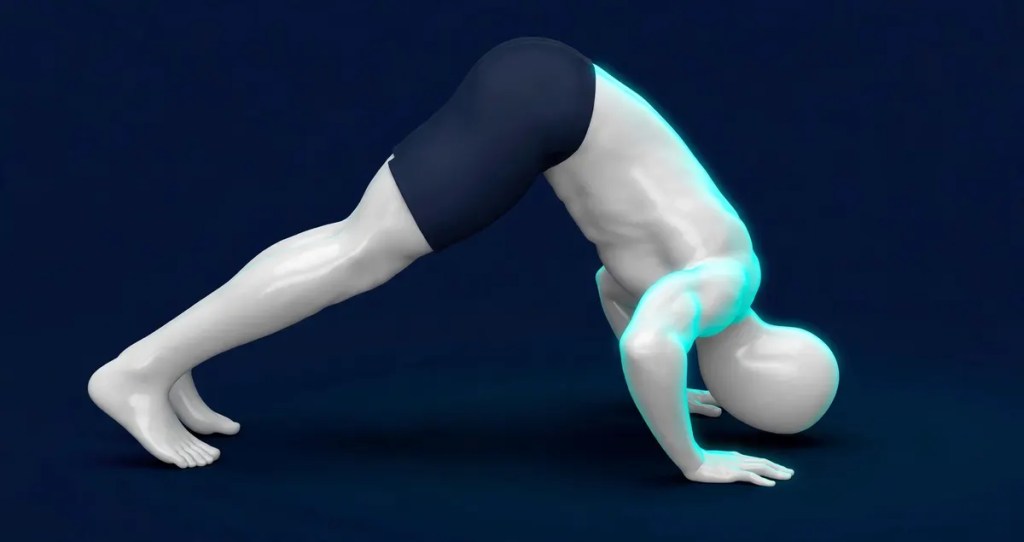
- Before you start: this exercise calls for clean pike push-ups in good volume, pain-free shoulders and wrists that tolerate your whole body weight. It also calls for a clear wall and a mat. If pike push-ups are still hard, this one will wait.
- Easier: just hold the handstand against the wall, arms straight, without bending your elbows, to get your shoulders and balance used to it, or lower only a few centimetres, in partial range.
- Harder: lower until your head almost touches the mat on every repetition, or pause for one second in the low position before pushing back up.
- The pace: start with 3 sets of 3 to 5 slow repetitions, with two minutes of rest between sets. Adjust the number to your level; end the set as soon as your back arches, your head drops too fast or your heels leave the wall.
In case of pain
Stop the exercise as soon as you feel pain. Muscle fatigue is normal, pain is not. If the pain comes back or persists, see a health professional.