
Type: Push · Difficulty: Advanced
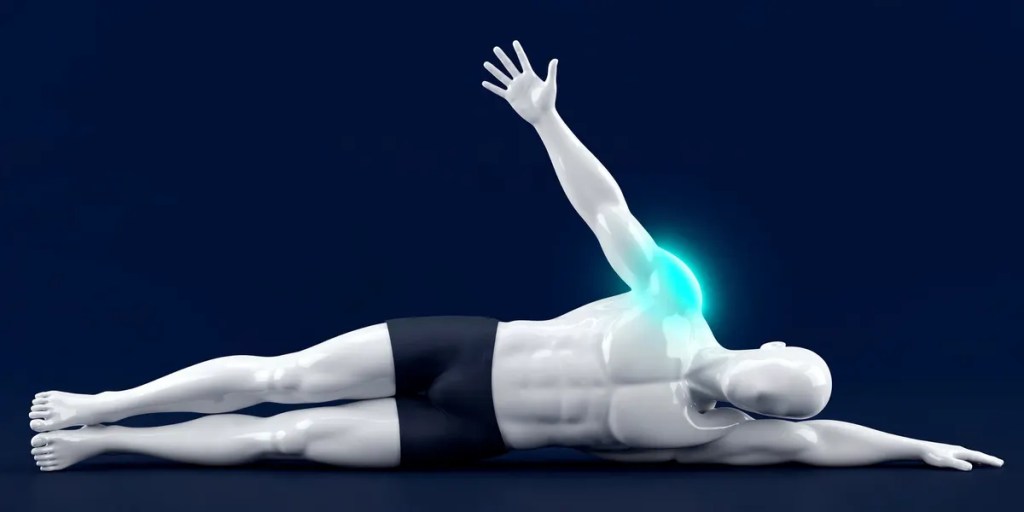
Muscles worked: chest, front of the shoulders and triceps, with the core, back and glutes holding the body extended during the flight.
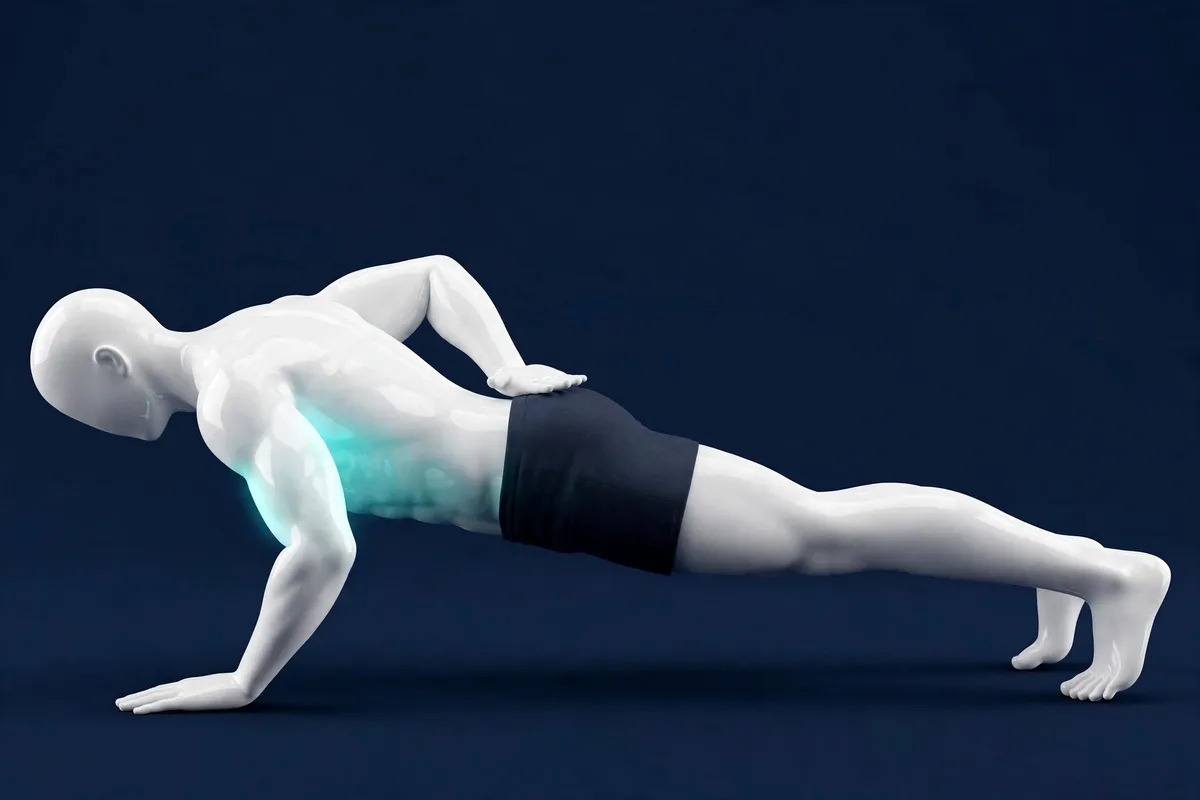
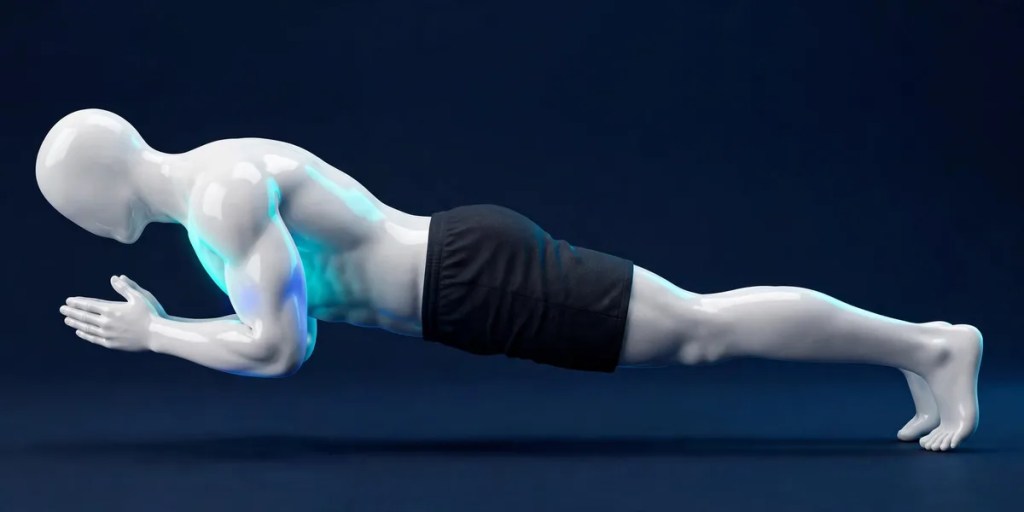
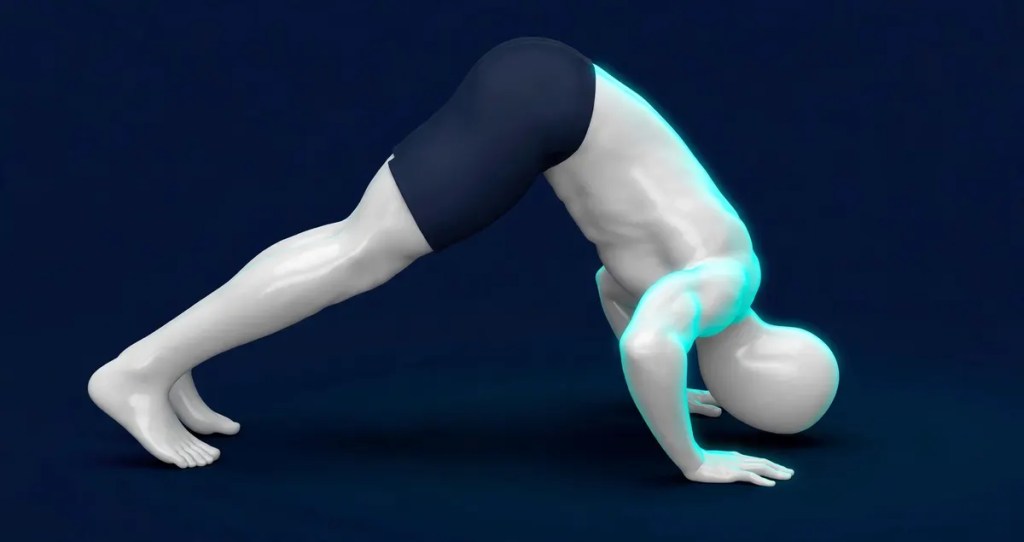
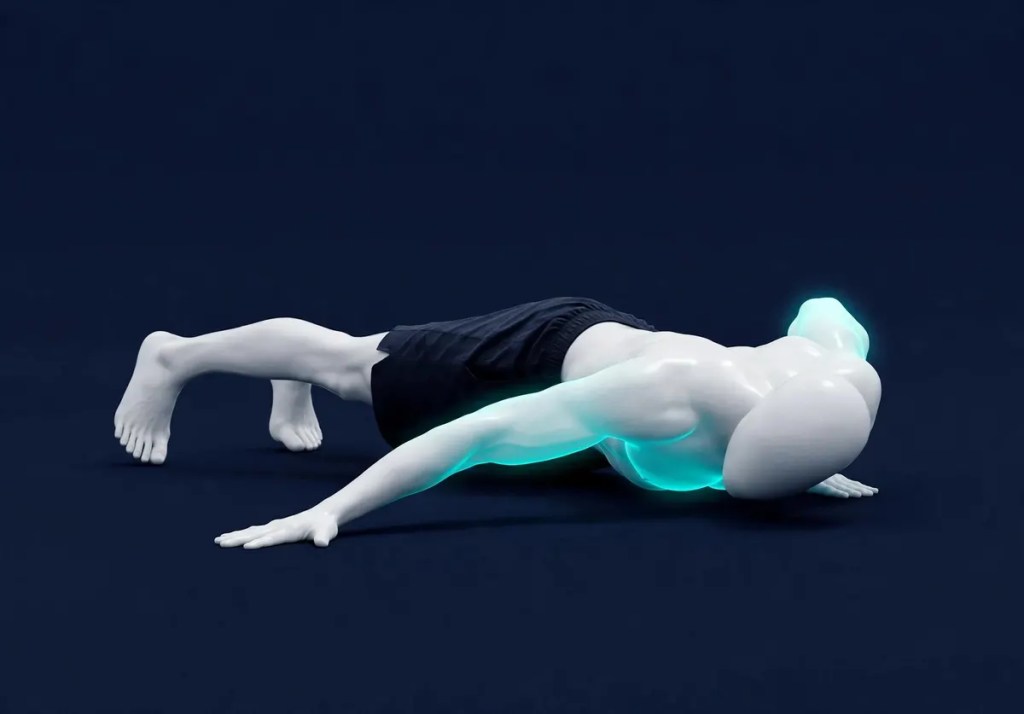
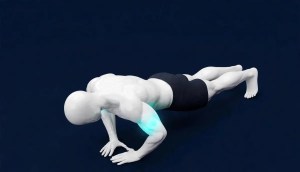
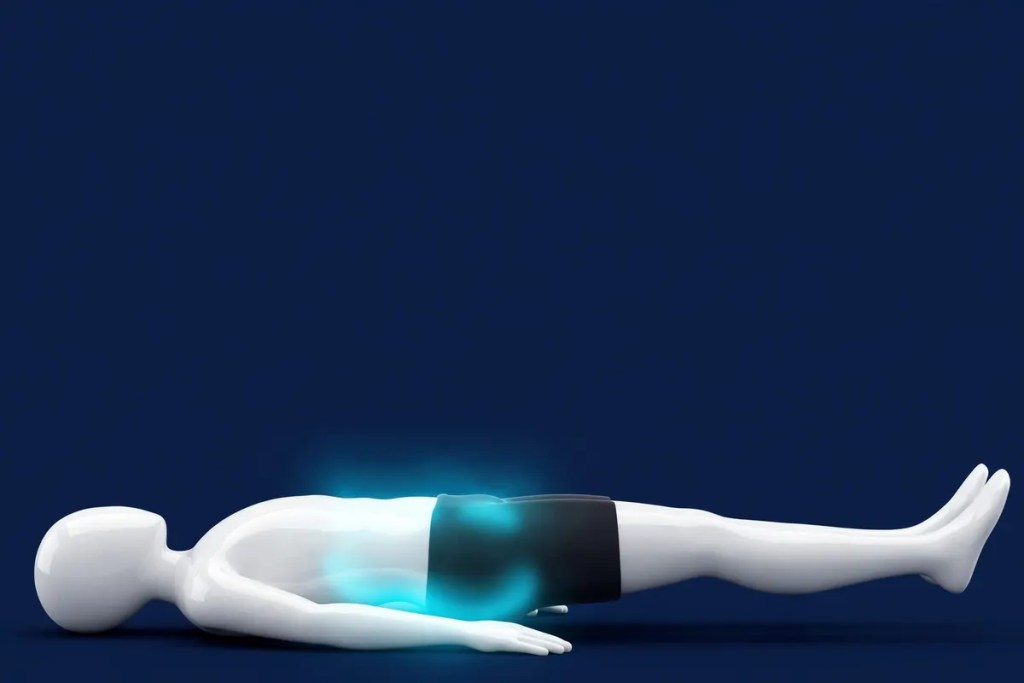
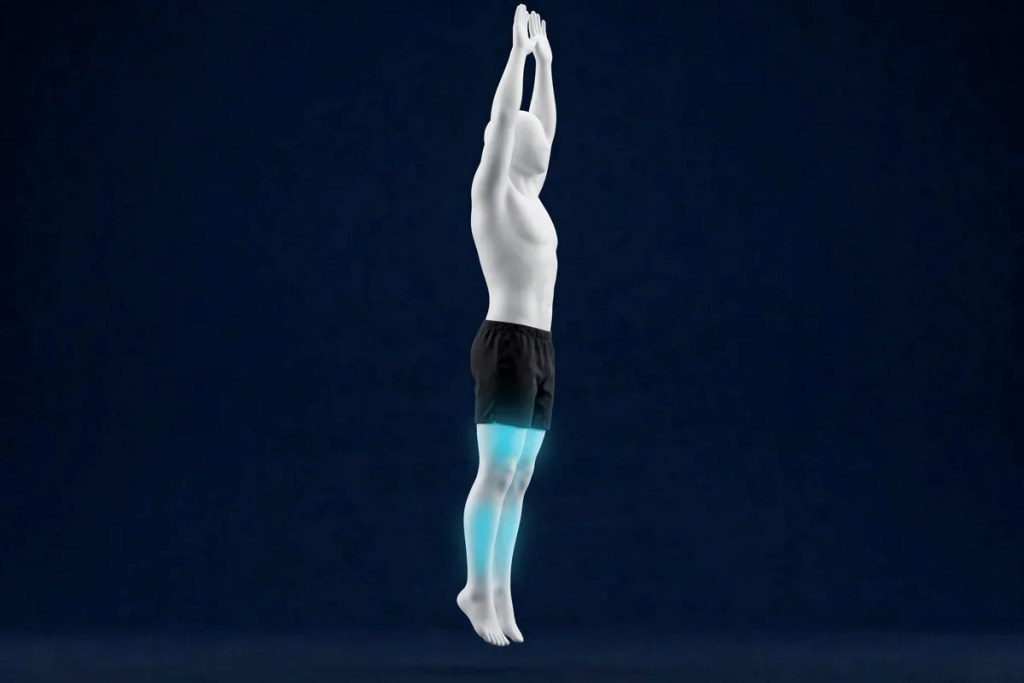
You lower like a classic push-up, then push hard enough for your whole body to leave the floor, arms extended in front of you and legs extended behind, for a fraction of a second in a flying position. The flight is complete, and the landing demands as much control as the push demands power.
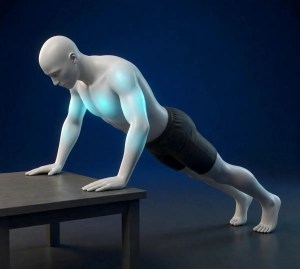
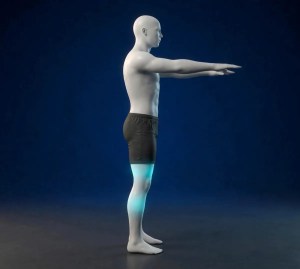
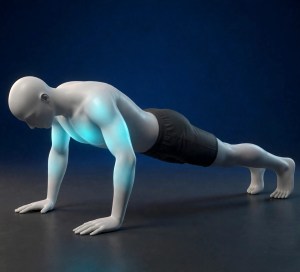
The position


The steps
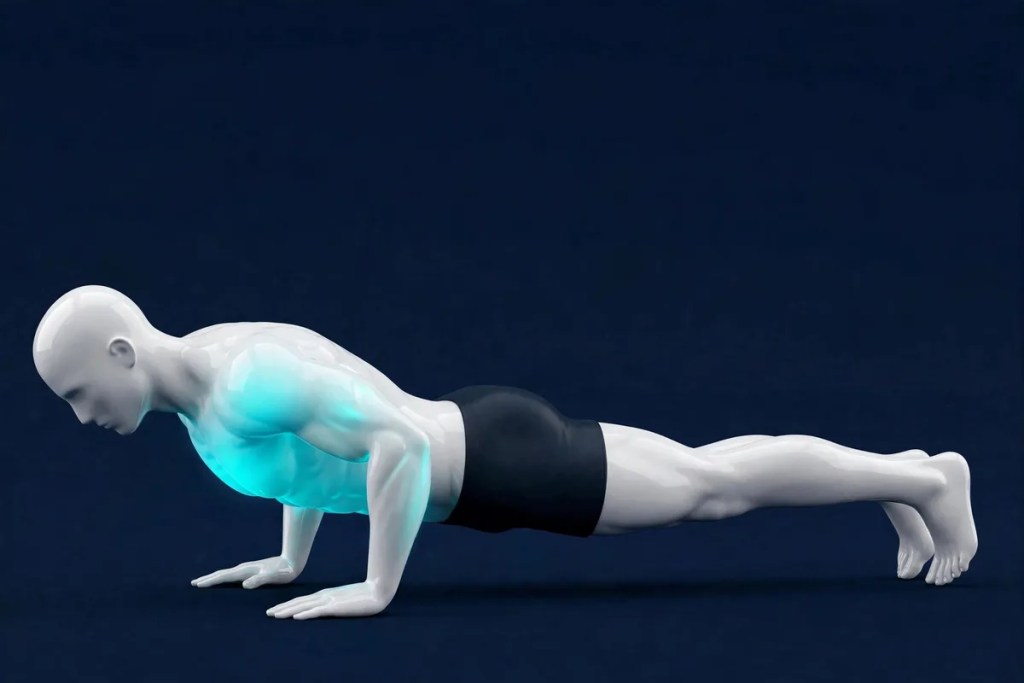
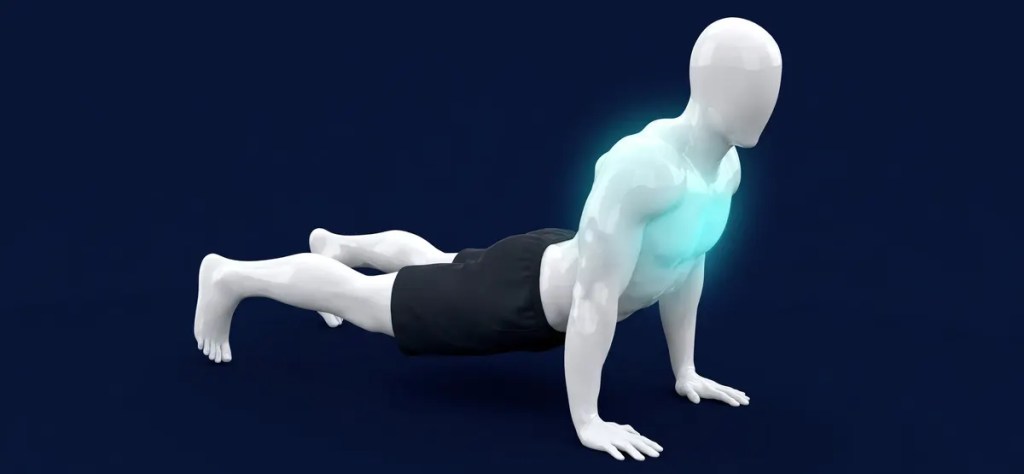
- Set up in a classic push-up position, hands under your shoulders, body in a straight line from head to heels, on a soft surface.
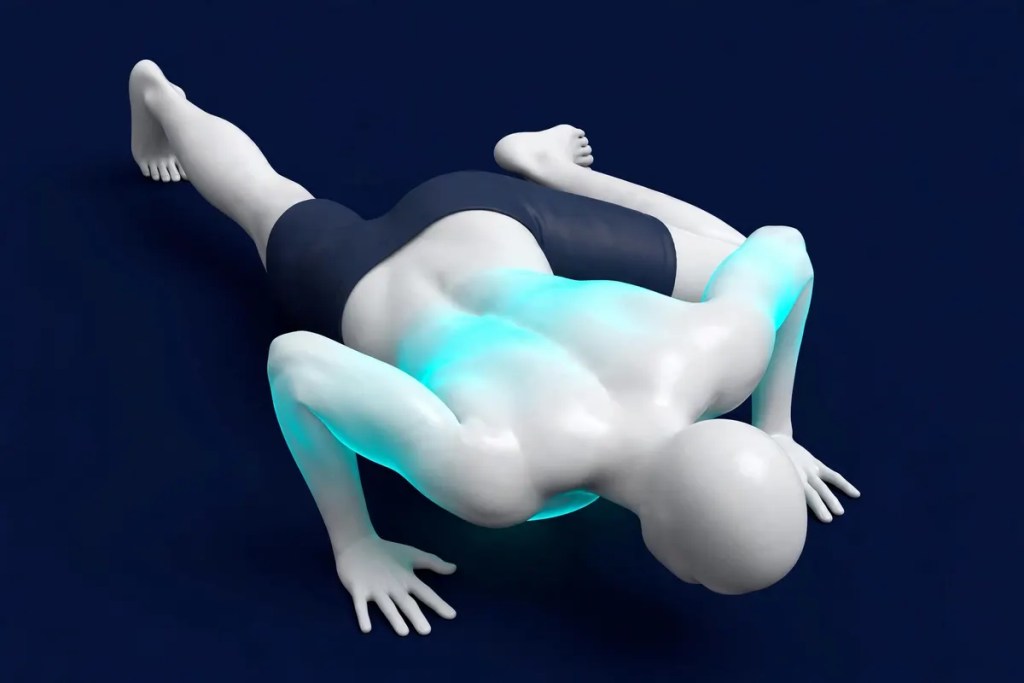
- Lower slowly, elbows close to your body, until your chest comes close to the floor.
- Push the floor away with all your strength, hard enough to lift your hands and your feet off the floor at the same time.
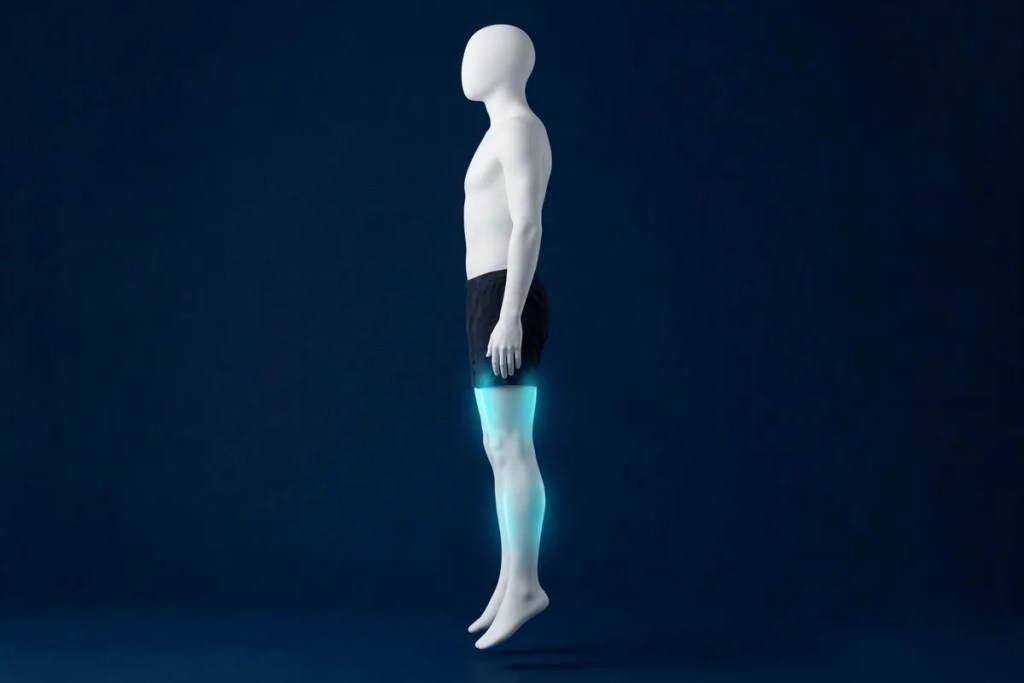
- During the flight, extend your arms in front of you and your legs behind, body extended as if flying, then immediately bring your hands back under your shoulders.
- Land with your elbows slightly bent, never with stiff arms, and go straight into the descent of the next repetition, with no pause on the floor.
Why this exercise
- The push lifts the whole body: to get your feet off the floor as well as your hands, the force has to be produced faster and harder than to lift the hands alone.
- The whole body extends in the air: arms in front, legs behind, your back, glutes and abs hold the flying position while nothing supports you.
- The landing is an exercise in itself: bringing your hands back under your shoulders and absorbing your whole body weight coming down takes precise coordination.
- Quality shows right away: the height of the flight and the silence of the landing tell you, repetition after repetition, whether the movement is staying clean.
Common mistakes
- Chasing height before control: start with a small flight, hands and feet barely leaving the floor. A big flight landed badly ends with your face close to the floor or all your weight into your wrists.
- Landing with stiff arms: slightly bent elbows absorb the impact; straight, locked arms send it straight into your wrists, elbows and shoulders, with your whole body weight behind it.
- Arching your lower back hard during the flight: your body extends and arches slightly, it does not bend backward. Bracing keeps control of the position.
- Bringing your hands back too late: your hands must be back under your shoulders before you land. If the flight is too short to reach your arms far forward, reach them less far.
- Doing repetitions on a hard surface: here, your whole body weight comes back down every time. The mat is not a comfort, it is protection.
Adjust the difficulty
- Before you start: this exercise calls for clean clapping push-ups, with a soft, silent landing, pain-free shoulders and wrists that tolerate taking your whole body weight. If the landing of clapping push-ups turns hard or noisy, this one will wait.
- Easier: lift only your hands while extending your arms in front of you, feet staying on the floor on your toes. Your feet will leave the floor once the full movement is clean and the landing silent.
- Harder: raise the flight slightly, or reach your arms a little farther forward, while keeping a soft, silent landing.
- The pace: start with 3 sets of 3 clean repetitions, with ninety seconds of rest between sets. Adjust the number to your level; end the set as soon as your flight drops clearly, your landing turns hard or noisy, or your hands come back badly under your shoulders.
In case of pain
Stop the exercise as soon as you feel pain. Muscle fatigue is normal, pain is not. If the pain comes back or persists, see a health professional.