
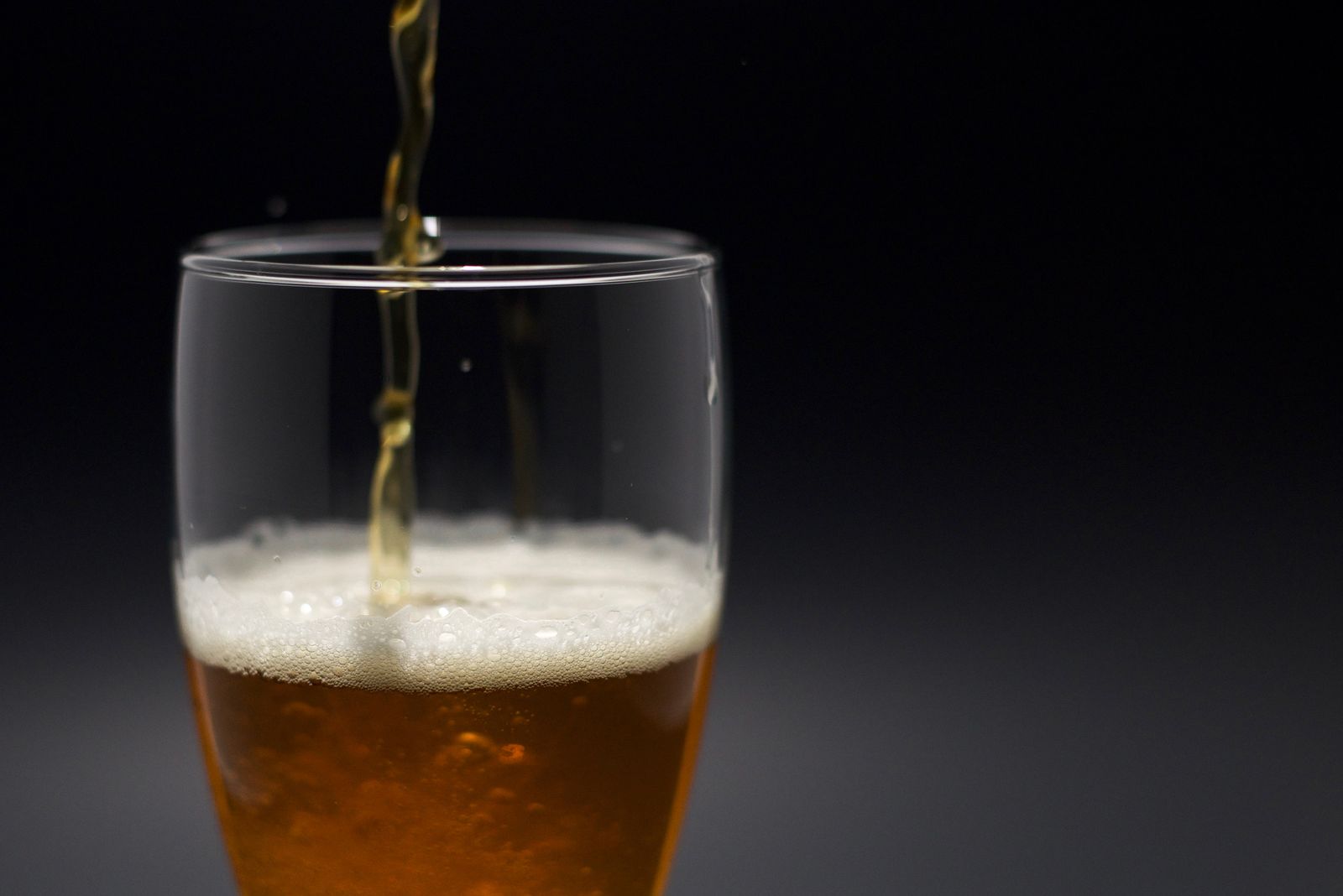
Let me be frank about my own case
Before, I had a well settled habit. While making supper, I would have 1 or 2 drinks. That was my relaxing moment of the day, the transition between work and the evening with the family. And at night, once the kids were in bed, another 1 or 2 drinks. In total, that came to 2 to 4 drinks a day, every day.
I am not telling you this to say it is fine. Alcohol is not good for your health, I know that, and I do not recommend it. I am telling you because I am far from the only person in this situation, and the subject stays taboo. In the training world, the subject is almost taboo. People talk about protein down to the gram, but nobody talks about the beer at supper.
Here is what I changed, step by step. At first, I simply stopped having any at supper on training days. Then it became the rule every day: nothing at supper anymore, except on special occasions. I still drink alcohol every day, in the evening. But I cut out the supper drinks, and that amounts to cutting my consumption in half.
In the evening, I am still continuing for now. Maybe I will cut down more later. We will see. What matters to me is that each step held. A change you keep is worth more than a big promise given up after two weeks.
The goal of this article is not to tell you to stop drinking. It is to show you what alcohol concretely changes for muscle, food absorption, sleep and belly fat, so that you can choose with full knowledge of the facts.
Absorption: the body deals with alcohol first
The body does not know how to store alcohol. When it receives some, eliminating it becomes the liver's priority, ahead of almost everything else. While the liver is busy with the alcohol, the rest comes second: digestion and food absorption are disrupted, and part of what you eat is less well used.
With regular consumption, the effect settles in. Alcohol irritates the stomach and the intestine, where nutrients are absorbed. Certain vitamins and minerals that matter for muscle and energy, such as B group vitamins, zinc and magnesium, are less well absorbed or eliminated faster. It is a silent effect: you can eat enough protein and still lack some of the elements the body needs to recover properly.
Concretely, this means the evening drink reduces in part the value of the good meal that goes with it. Supper is often the most complete meal of the day, and for someone who trains, the one that follows the session. That is one of the reasons I cut out the supper drink first.
Muscle: recovery slowed down after the session
Training creates small lesions in the muscle. The body then repairs them by building new muscle protein. It is this repair that, week after week, makes the muscle grow and get stronger.
Drinking a lot of alcohol right after a session slows down this building process. In one often cited study, active men drank a high amount of alcohol after a demanding workout, about twelve drinks. Muscle protein building dropped by 24 percent when the alcohol was taken with protein, and by 37 percent when it was taken with carbohydrates only.
Two important clarifications. First, the amount tested was high, well beyond one or two drinks. Second, eating protein before or with the alcohol softens the effect, without cancelling it. The message is therefore not that one drink cancels a session. The message is that a big evening on the same day as a workout costs part of the benefit of that session, and that repeating this pattern week after week ends up counting.
Sleep: falling asleep fast, repairing less well
Alcohol helps you fall asleep faster. That is true, and that is why so many people feel it helps them sleep.
The rest of the night tells another story. Sleep becomes more fragmented in the second half of the night, with more awakenings, and the share of paradoxical sleep, the dreaming sleep, decreases. This effect shows up from moderate doses, around two drinks, and it increases with the amount.
Yet it is during sleep that the body does its repair work. That is where muscle rebuilds and where the next day's energy is prepared. Drinking in the evening, even a few drinks, therefore directly touches the muscle repair period. A shortened or broken night is also a next day session done with less energy, less strength and less drive. The costliest effect of alcohol may not be that same evening. It is the next day.
The belly: calories that do not nourish
Alcohol provides about 7 calories per gram, almost as much as fat, without providing protein, useful vitamins or a feeling of fullness comparable to food. An ordinary beer runs around 140 to 150 calories, a glass of wine around 120 to 150 calories. Two or three evening drinks therefore easily add 300 to 450 calories to the day, often on top of the meal, not in its place.
Added to this is a well known effect: after drinking, people eat more easily, and not necessarily carefully chosen foods. For someone aiming to lose belly fat without following a strict diet, reducing alcohol is often the simplest lever, because it does not require eating less during meals.
What to do concretely
No need to cut everything. Aim for simple rules, tenable for months, not weeks.
- Keep training evenings alcohol free, or almost. That is where recovery is at stake.
- Cut one drink at a time, starting with the one that costs the most. For me, that was the supper drink, on training days first, then every day.
- If you drink, eat before, with protein. Never drink on an empty stomach after a session.
- Finish the last drink at least three to four hours before going to bed, to protect the second half of the night.
- Reduce frequency first, then quantity. Going from four evenings a week to two changes more than one perfect weekend followed by a complete relapse.
- Replace, rather than simply removing. A non alcoholic drink on weekday evenings keeps the gesture and the moment, without the calories or the effect on sleep.
You do not have to choose between your social life and your training. You have to choose where alcohol costs you the least: not on the evening of a session, not right before sleeping, and maybe not every day. Start with a single drink, the one that seems easiest to remove, and hold it for a few weeks. Not for a spectacular result. For one habit less that holds back your progress, and one more that you truly keep.















Leave a Reply