

You are past 40 and you wonder whether your body still responds the way it used to. Short answer: yes, it responds. It just does not respond in the same way anymore, and it forgives mistakes less. That is not bad news. It is a different instruction manual, and once you know it, making progress becomes simple again.
This article sorts it out: what changes with age, what does not move, and what training protects for the decades ahead. Because most people quit for the wrong reason: they believe their body cannot do it anymore, when in fact their method no longer fits.
The ability to progress is fully intact
Past 40, muscle still responds to training, in women as well as in men. Scientific position statements on training for older adults confirm it: strength increases, muscle mass increases, as long as the muscle gets a clear signal: demanding sets, through a full range of motion, with gradual progression [4].
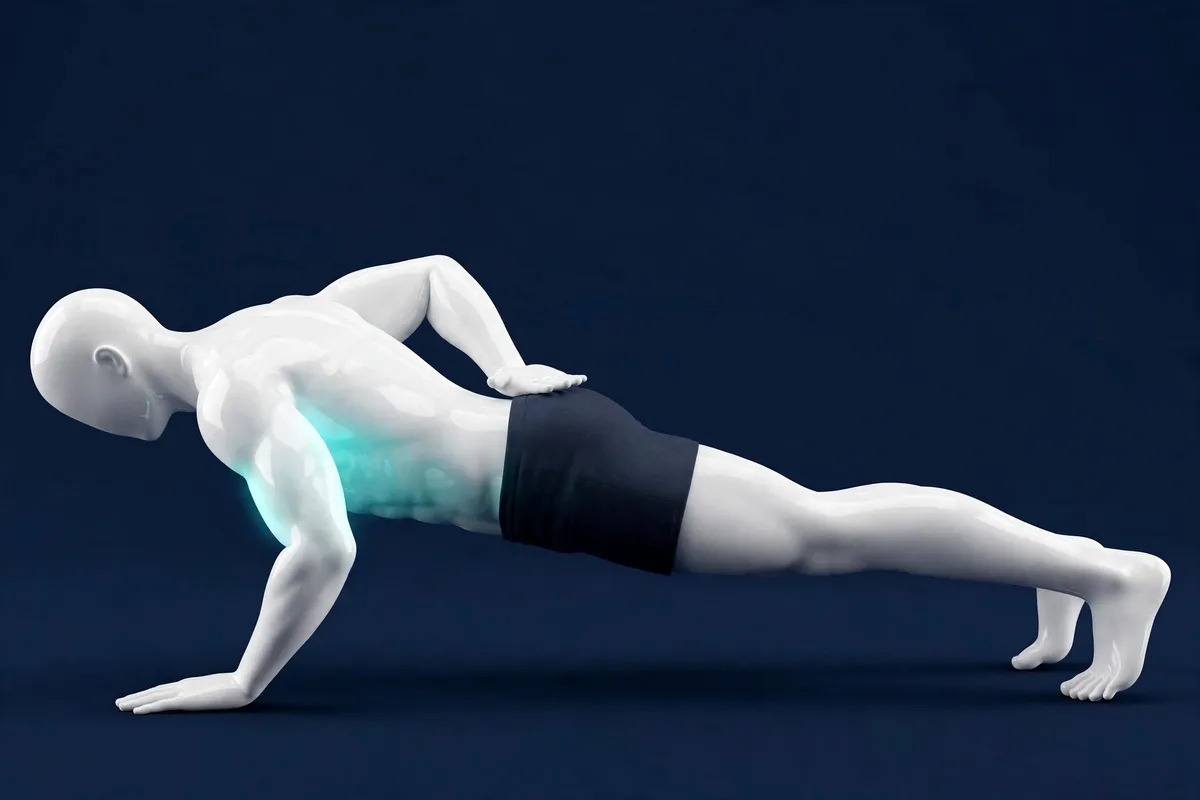
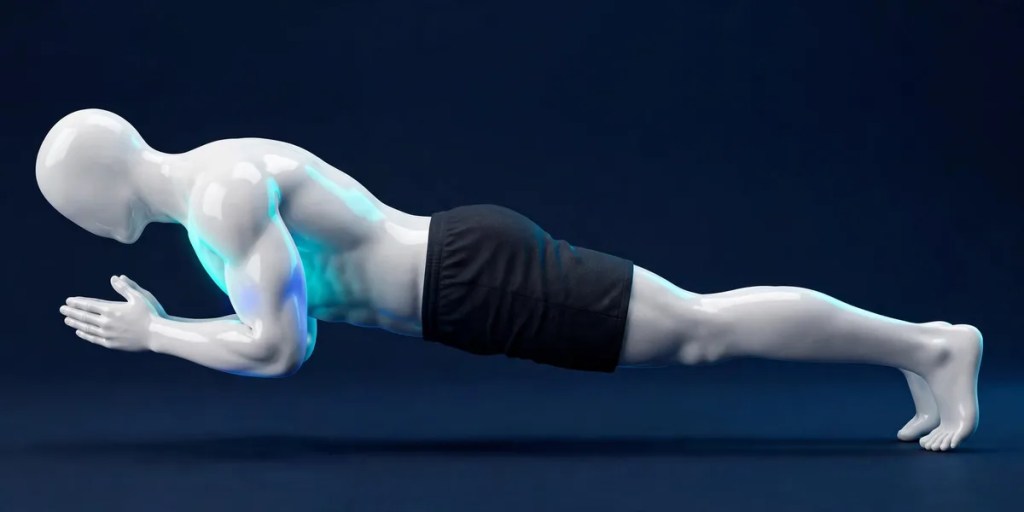
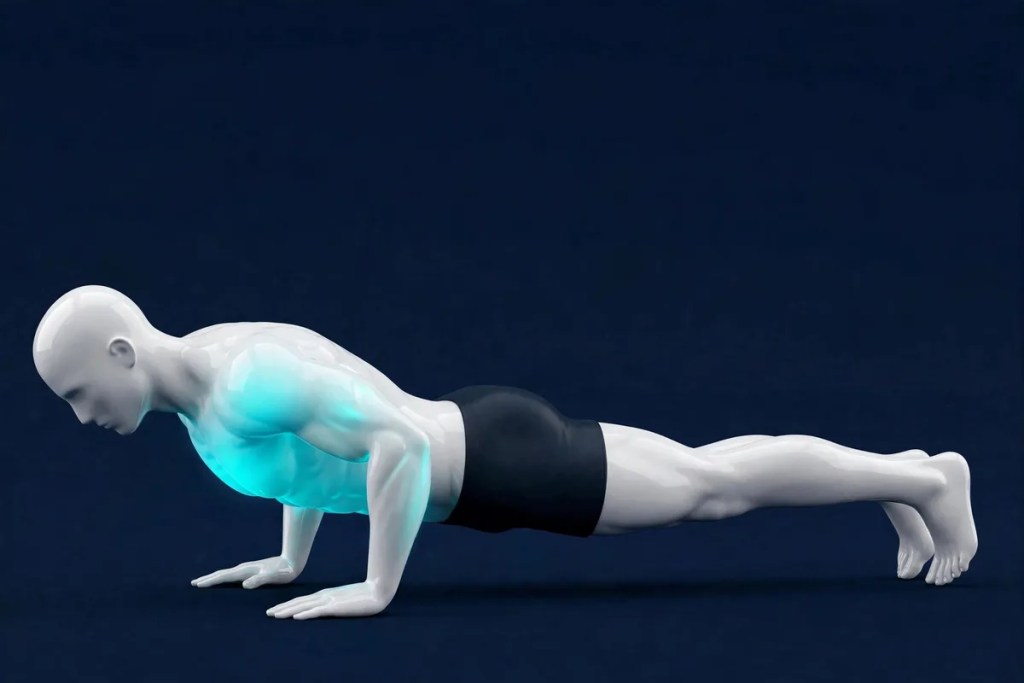
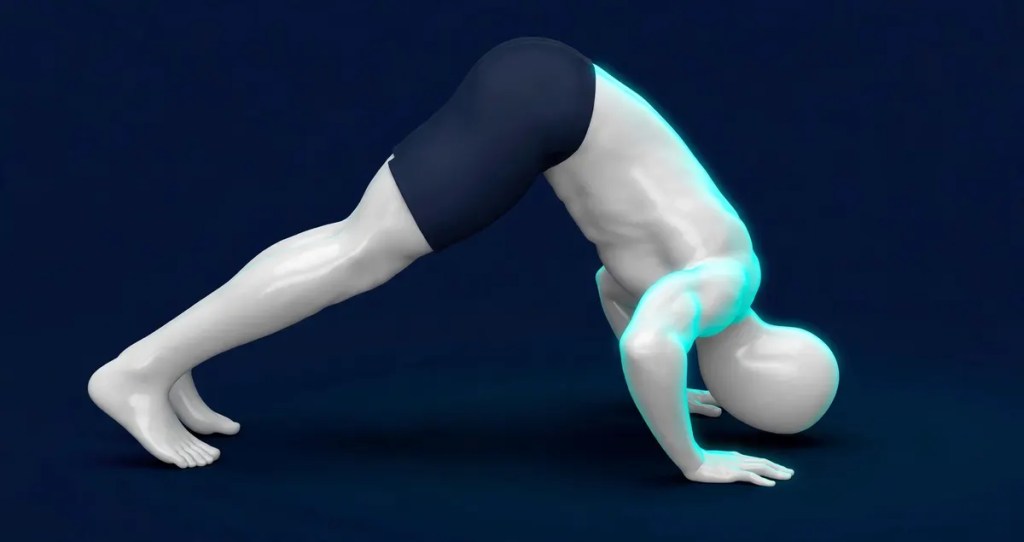
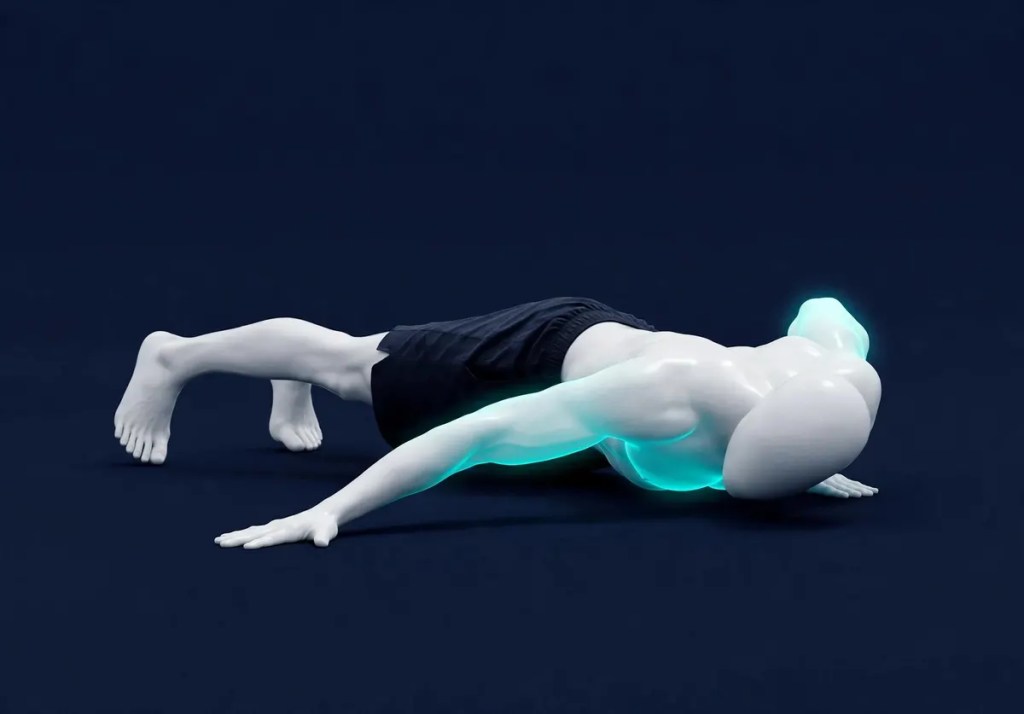
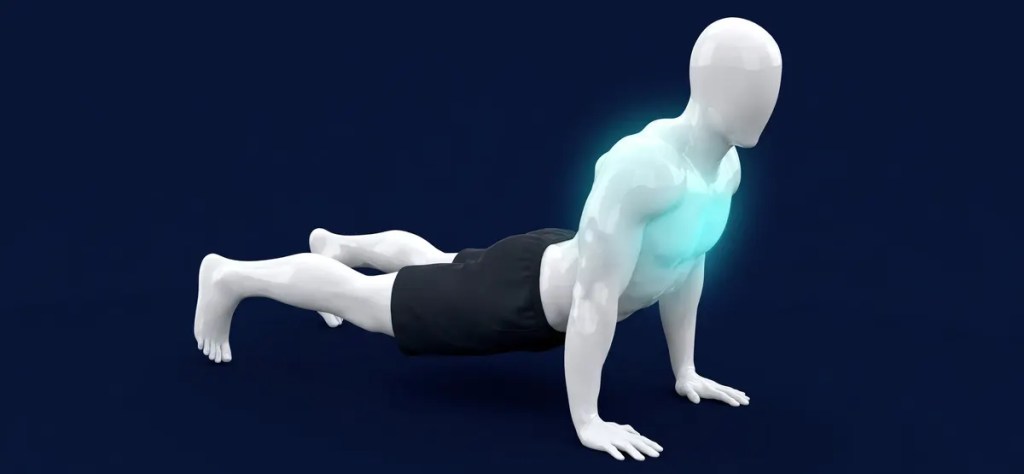
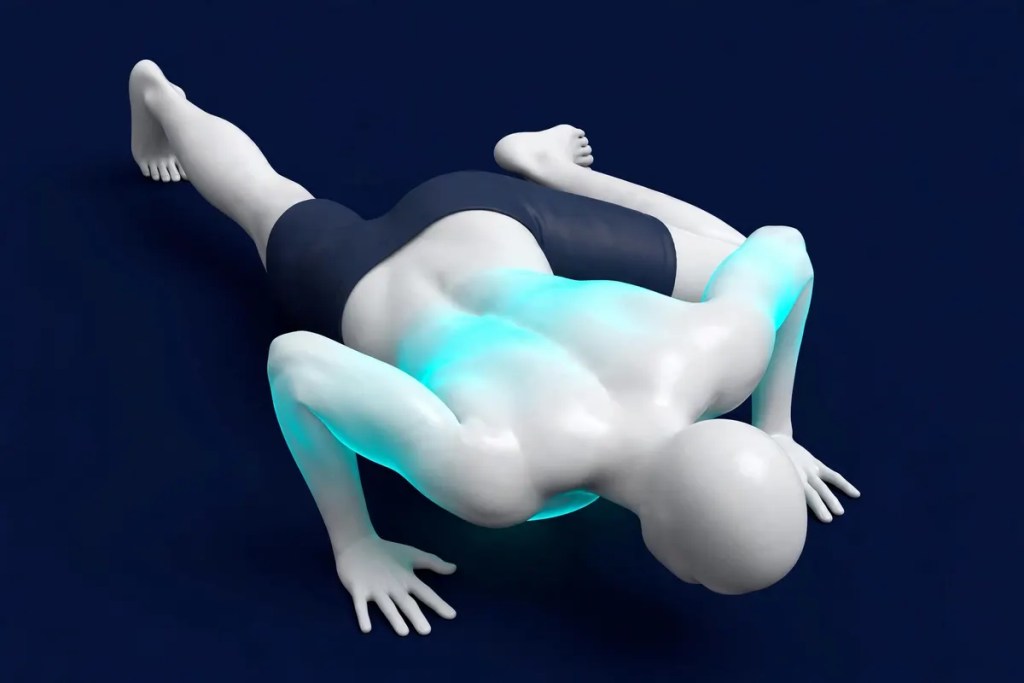
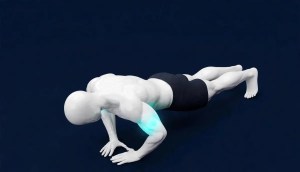
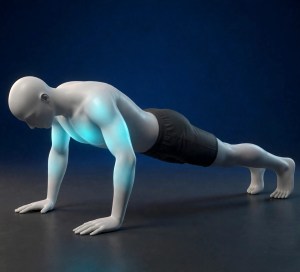
My own experience shows it well. For months, I did 100 push-ups a day, split into several sets. Result: no progress, no visible change. The problem was not my age. It was the method: always the same effort, never any real progression, an incomplete range of motion without my even realizing it.
By changing the method, the results came in about a month: more strength, muscles that truly work, numbers that climb at equal technique. Same body, same age. Different approach.
Muscle is lost more easily
From your forties on, an adult who does not train loses on average about 8 percent of their muscle mass per decade. The loss speeds up after 70, where it reaches about 15 percent per decade [1] [2]. It is not a fate you endure while watching the years go by: it is mostly the price of inactivity, because most studies on the subject involve sedentary people.
The practical consequence is simple. Training no longer serves only to progress. It serves first to avoid going backwards. Two or three sessions a week, held for years, are worth more than one big effort over a few months followed by a complete stop.
Recovery demands more respect
At 25, you chain sessions together and recover with one night of sleep. Past 40, recovery becomes a variable to manage, not a given.
- Sleep matters more. A bad night costs more on the next day's session. Aiming for regular nights is part of training, not comfort.
- Rest days are not negotiable. Never two sessions for the same muscle group on back to back days. Muscle is built at rest, and that rest takes a little longer than before.
- Warming up is no longer optional. A few minutes to raise the body's temperature and prepare the joints. Skipping this step is where the small aches begin.
The joints set the limit
Muscle adapts quickly. Tendons and joints adapt slowly, and that difference grows with age. It is almost always a joint, not a muscle, that puts an end to a poorly led progression.
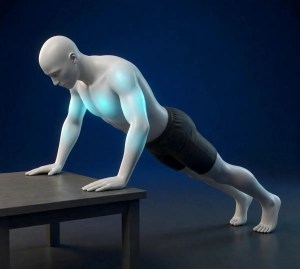
The rule that protects against almost everything: pain free comes before performance. A variation that hurts the wrists or the shoulders gets replaced, it does not get forced. In my own practice, table rows are done with a grip on the side of the table rather than on top of the edge, because that position keeps the wrists straight and pain free. The back works just as much. Only the grip changed.
And if a pain is sharp, radiates or lasts several days, the answer is not another exercise. It is a health professional.
Protein becomes a real lever
With age, muscle responds a little more slowly to each meal: a slightly higher protein intake is needed to trigger the same muscle building. Researchers call it a resistance to building, and it is one of the reasons recommendations rise with age [3].
Research suggests that active adults who want to build or keep muscle aim for an intake often between 1.2 and 1.6 grams of protein per kilogram of body weight per day, spread across meals rather than concentrated in the evening [3]. For a person of 75 kilograms, that comes to about 90 to 120 grams per day.
No strict diet is needed to get close to it: adding a protein source to each meal, such as eggs, protein rich yogurt or cottage cheese, is often enough to close the gap. If you have a particular health condition, consult a health professional before starting training or changing your diet: their advice comes before the general numbers.
Progression happens in smaller steps
The temptation, past 40, is to make up for the years without training with heroic sessions. The opposite is what is needed.
Progress in small steps: one more repetition, a slightly slower descent, a barely harder variation. Confirm each level over two sessions in a row before moving up. Accept weeks with no visible progress. Consistency replaces intensity as the main driver, and it wins almost every time.
What training protects in the long term
Past 40, every session counts double: it makes you stronger now, and its effects still protect you decades later.
- Stronger bones. Loaded exercises stimulate bone formation and slow down the density loss that leads to osteoporosis. In a study of postmenopausal women whose bones were already weakened, high intensity resistance training improved bone density and physical function [5]. The benefit also applies to men, whose bone density also decreases with age.
- Fewer falls. The strength and balance gained through training reduce the number of falls, and falls are what cause most fractures past a certain age [6].
- A heart and blood vessels in better shape. Regular exercise lowers blood pressure and keeps the vessels more supple; blood circulation improves throughout the whole body [7].
- A more active sex life. Circulation plays directly on sexual response, in women as well as in men. In men, a systematic review of intervention studies concludes that physical activity improves erectile function [8].
- Better blood sugar control. Muscle is the body's main consumer of sugar. Keeping more of it helps maintain good insulin sensitivity and reduces the risk of type 2 diabetes [4].
- A better protected brain. In people over 50, regular exercise improves cognitive functions, including memory and processing speed [9].
- Independence, quite simply. Getting up from a chair, carrying grocery bags, climbing stairs without the handrail: these movements depend on the strength and muscle that training preserves.
In summary
To remember:
- Muscle is lost more easily if you do nothing, about 8 percent per decade on average in inactive people [1] [2].
- Recovery, sleep and warming up demand more seriousness.
- The joints, not the muscles, set the limit to respect.
- Protein becomes an important lever, to spread across the day.
- Progression happens in smaller steps, confirmed session after session.
- The benefits go beyond strength: bones, heart, circulation, balance, brain and independence all benefit for decades.
And above all: the ability to become stronger, to build muscle and to transform your body remains intact. It only requires a method that is up to it.
You do not have to train as if you were 20, and above all you do not have to believe it is over. Start where you are: two or three short sessions a week, full movements, no ignored pain, enough protein and sleep. Give yourself a month of consistency before judging. That is often where, and no further, the first results appear.
Sources
[1] von Haehling S, Morley JE, Anker SD, « An overview of sarcopenia: facts and numbers on prevalence and clinical impact », Journal of Cachexia, Sarcopenia and Muscle, 2010. https://doi.org/10.1007/s13539-010-0014-2
[2] Harvard Health Publishing, « Preserve your muscle mass », Harvard Health Letter / Men’s Health Watch, 2016. https://www.health.harvard.edu/press_releases/declining-muscle-mass-is-part-of-aging-but-not-inevitable-from-the-march-2016-harvard-mens-health-watch
[3] Bauer J et al., groupe d’étude PROT-AGE, « Evidence-based recommendations for optimal dietary protein intake in older people », Journal of the American Medical Directors Association, 2013. https://doi.org/10.1016/j.jamda.2013.05.021
[4] Fragala MS et al., « Resistance Training for Older Adults: Position Statement From the National Strength and Conditioning Association », Journal of Strength and Conditioning Research, 2019. https://doi.org/10.1519/JSC.0000000000003230
[5] Watson SL et al., « High-Intensity Resistance and Impact Training Improves Bone Mineral Density and Physical Function in Postmenopausal Women With Osteopenia and Osteoporosis: The LIFTMOR Randomized Controlled Trial », Journal of Bone and Mineral Research, 2018. https://doi.org/10.1002/jbmr.3284
[6] Sherrington C et al., « Exercise for preventing falls in older people living in the community », British Journal of Sports Medicine, 2019. https://doi.org/10.1136/bjsports-2019-101512
[7] Cornelissen VA, Smart NA, « Exercise training for blood pressure: a systematic review and meta-analysis », Journal of the American Heart Association, 2013. https://doi.org/10.1161/JAHA.112.004473
[8] Gerbild H et al., « Physical Activity to Improve Erectile Function: A Systematic Review of Intervention Studies », Sexual Medicine, 2018. https://doi.org/10.1016/j.esxm.2018.02.001
[9] Northey JM et al., « Exercise interventions for cognitive function in adults older than 50: a systematic review with meta-analysis », British Journal of Sports Medicine, 2018. https://doi.org/10.1136/bjsports-2016-096587















Leave a Reply